The unloader valve is used to release the trapped air inside the compression chamber and the discharge line of the tank when the motor stops.
It has a linear motion element. The extraction of air by the discharge valve is essential for restarting the compressor motor without consuming additional energy.
If the air is not discharged from the compressor, a load is created.
Unloader Valve | Air Compressor Discharge Valve
In the compression chamber and the discharge line of the tank, a significant amount of initial torque is required for restarting, which the motor may not have the capability to overcome.
Based on this explanation, it can be said that the air compressor discharge valve is among the safety valves. Another name for this valve is Unloading Valve.
In the image below, you can see how the unloader valve operates in discharging trapped air.
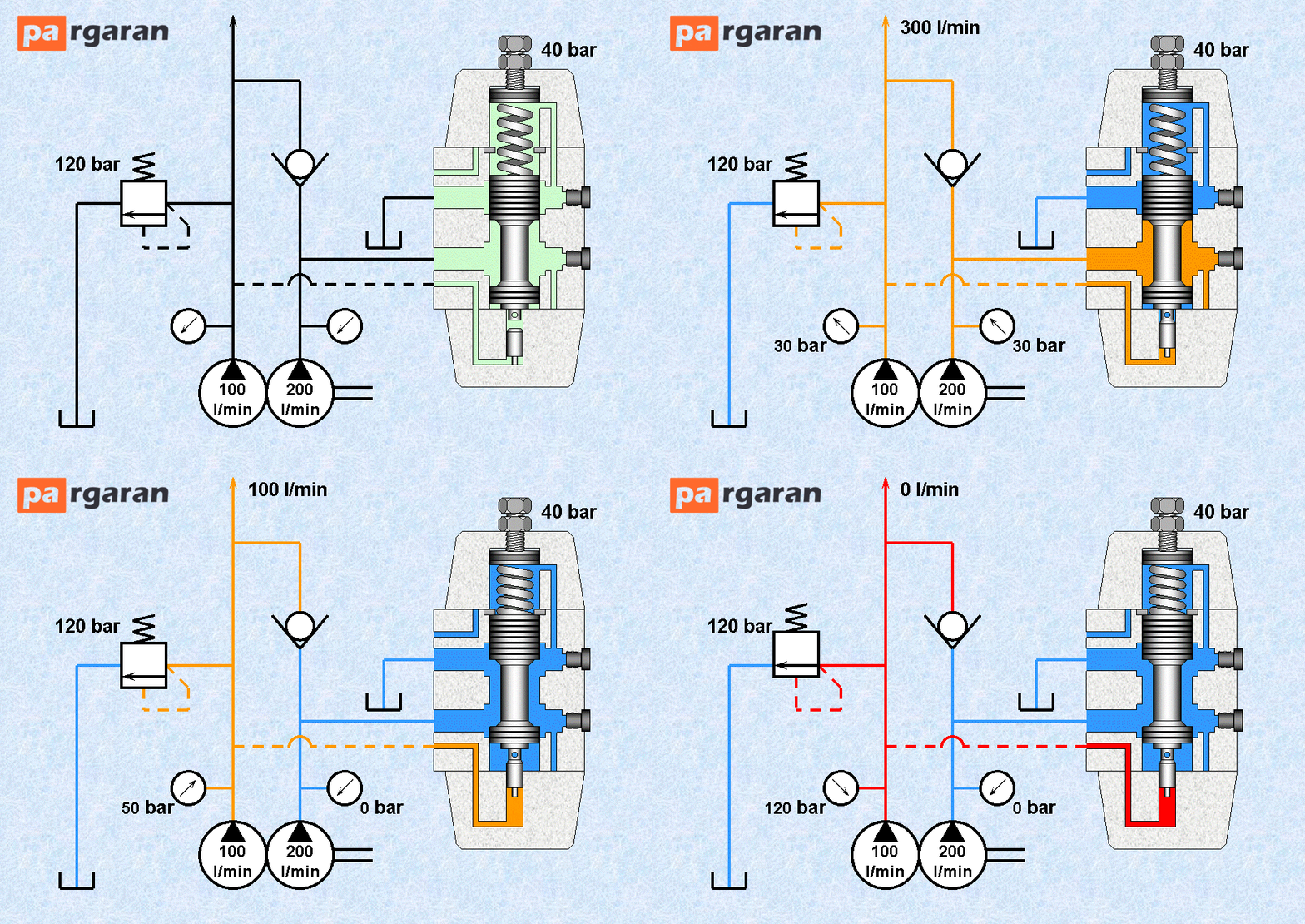
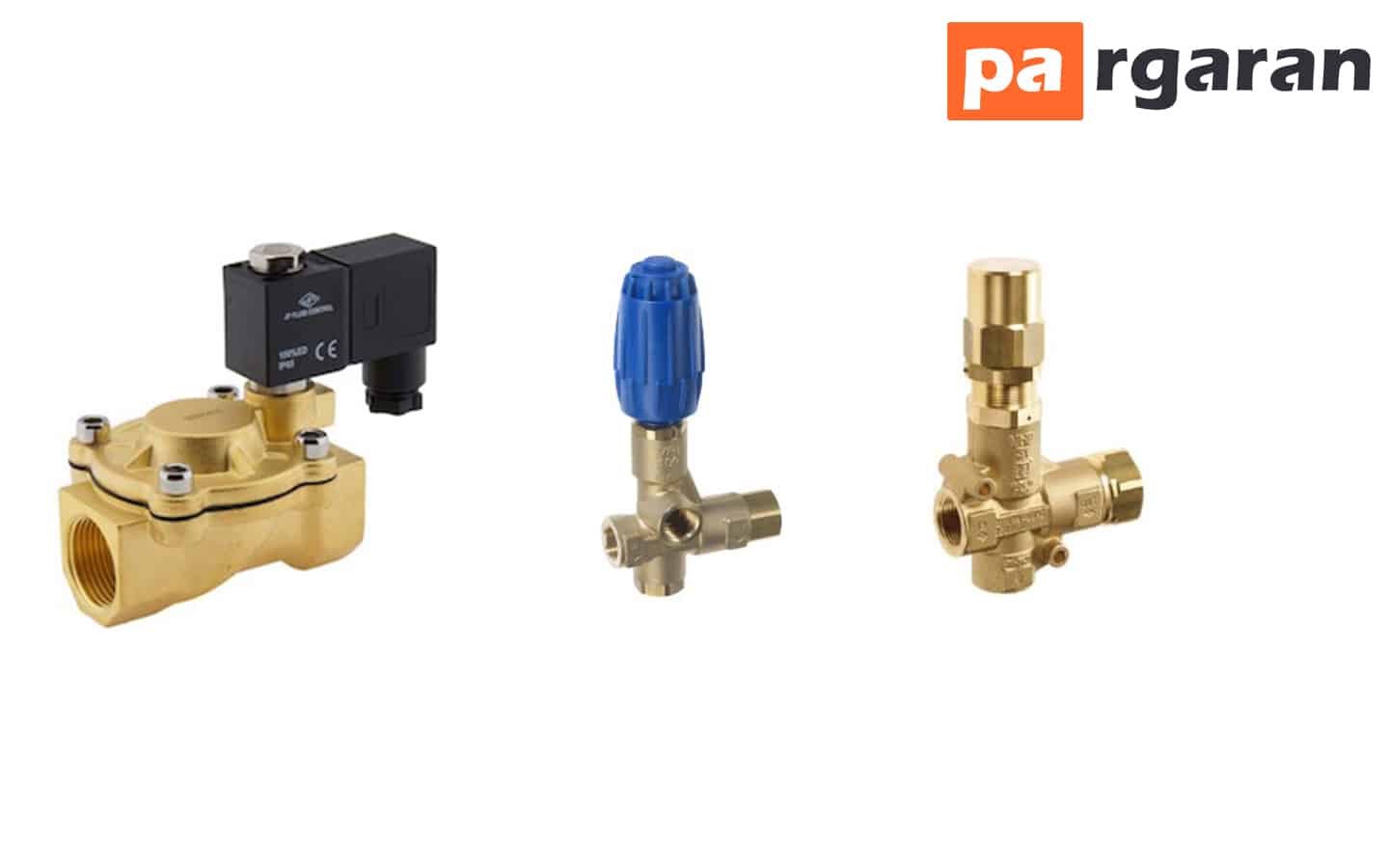
The most common classification of these valves is based on their actuator type; accordingly, they are divided into two categories: mechanical and electric.
Unloader Valve | Air Compressor Discharge Valve
The mechanical unloader valve operates based on pressure differential. When the pressure reaches a predetermined maximum level, the valve opens similarly to a relief valve.
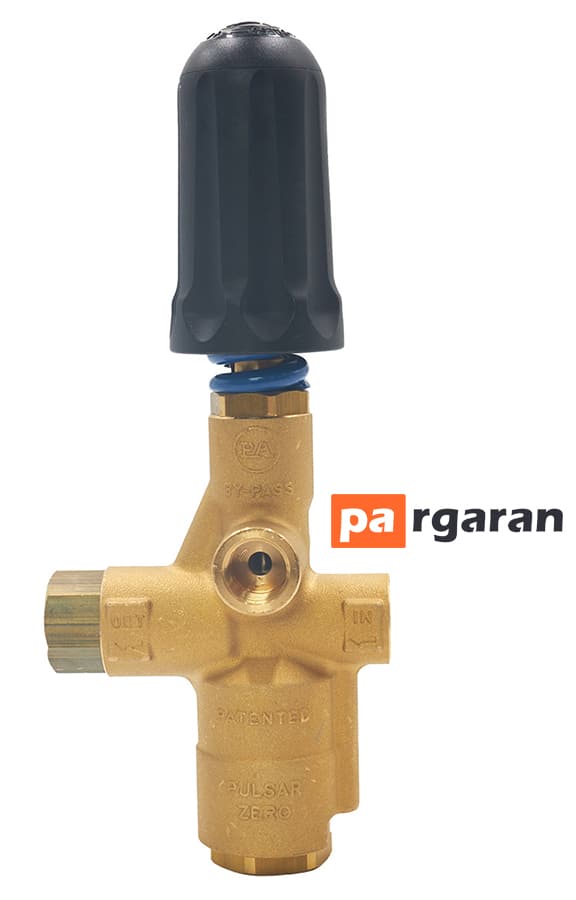
Unloader Valve | Air Compressor Discharge Valve
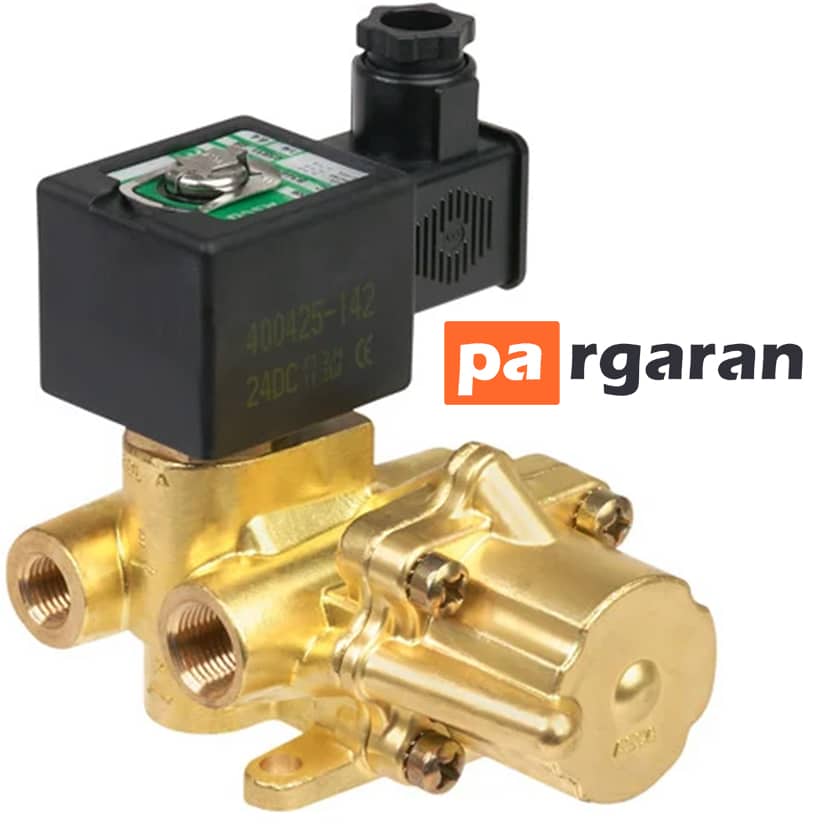
The electric unloader valve controls the amount of air passing through a line. Depending on the system's needs, it can stop, start, or control the flow pressure.
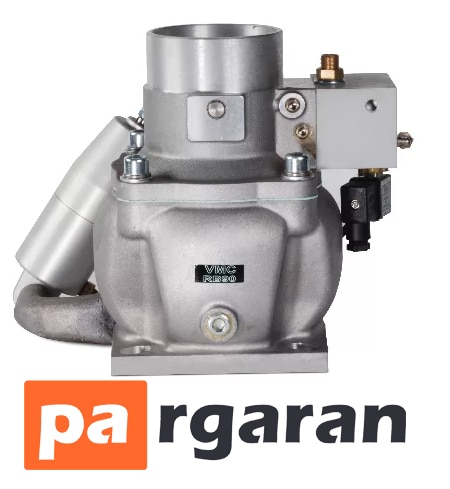
Another type of unloading valve is the chiller unloader or compressor unloader, which is a combination of a mechanical valve and an electric valve. When the pressure inside the system reaches a specified amount, the refrigerant inlet valve is blocked.
In this state, the compressor continues to operate, no refrigerant enters it, and the compression process is halted to prevent excessive pressure buildup. This mechanism is referred to as unload, and the opposite (the re-entry of refrigerant) is called load.
Unloader Valve
If you have any questions or comments, please contact Pargaran.