


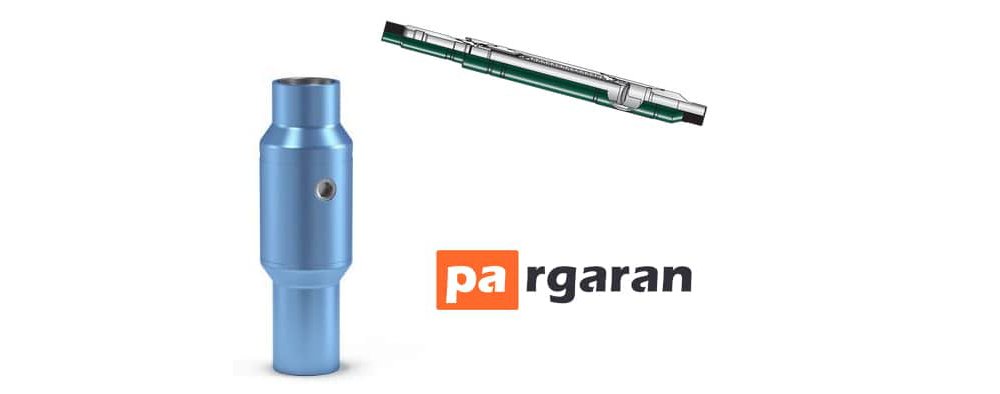
The Subsurface Safety Valve, designed to automatically block the well flow in case of level control failure or malfunctioning equipment, is a critical safety apparatus.
Based on the control location, they are classified into two categories: surface and subsurface. Accordingly, the operating systems may function remotely and based on a safety principle that prevents surface failure, activated from a control panel located at the monitoring center, or through a control mechanism from the subsurface.

If the pipes are separable, a well-installed recovery valve will be used; and if the pipes are separable and transferable, a valve with flow recovery capability will be utilized. There are various types of subsurface safety valves, and their most important classification is based on the following:
- Operating Systems
- Operating Principle
- Setting Depth
- Selection Process
- Control Location
Operating Systems in Subsurface Safety Valves
Control mechanisms for operating systems are designed and applied to automatically close the flow in case of predefined conditions occurring in the well. (It is activated by pressure differential/flow velocity across the valve).
In the control line, a ¼ inch stainless steel line is connected to the outer casing of the pipe and is installed during the pipe installation. To open the valve, the pressure at the wellhead may need to be maintained between 4000 to 5000 psi.
The subsurface safety valve controls pressure drop differentials within a flow line. There are various types of it, and among them, the differential type exists. Although they utilize various sealing devices such as flapper or ball types, they are all controlled with a flow line and a spring tension.


