


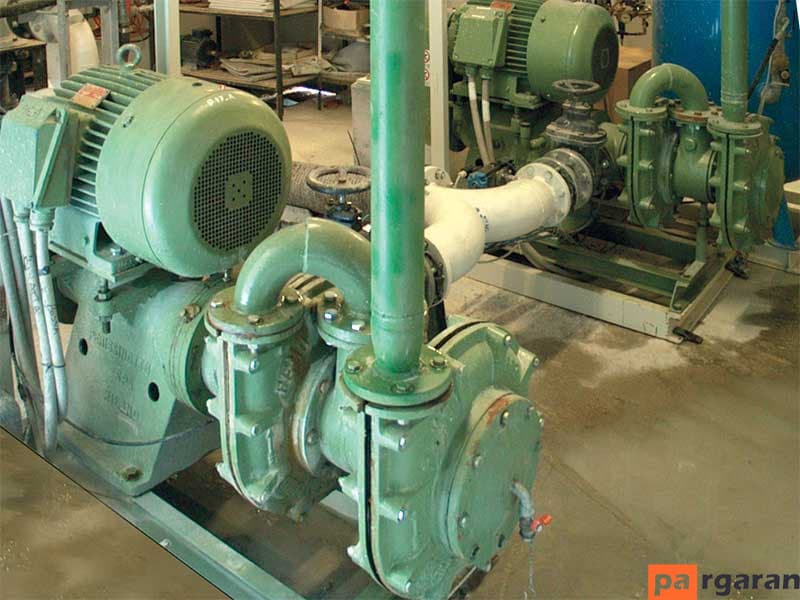
As the name of the sludge pump suggests, it processes and moves fluids with high solid content. Since sludge and slurry pumps perform similar functions, people often use the names interchangeably.
Given the type of material these pumps move, they must have an incredibly powerful mechanism. After all, sludge is not only heavy but may also contain corrosive or volatile contents.
As the name suggests, a sludge pump processes and moves waste fluids with high solid content. Since sludge and slurry pumps perform similar functions, people often use the names interchangeably.
Given the type of material these pumps move, they must have an incredibly powerful mechanism. After all, sludge is not only heavy but may also contain corrosive or volatile contents.
What is Sludge?
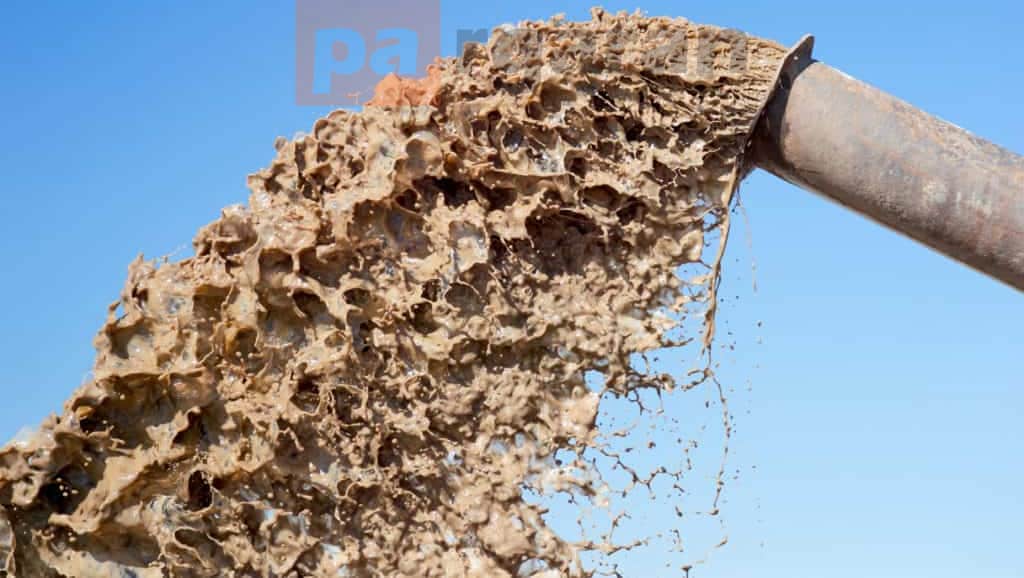
To start, sludge is a unique mixture of fluid, typically water, along with some form of solid. This material is usually associated with many industries including steel processing, mining, power generation, and more. Since sludge behaves like thick, sticky fluids, a powerful pump is essential.
When it comes to sludge, experts divide it into two categories: sedimentary and non-sedimentary. For sedimentation, large particles form, which leads to an unstable mixture. Due to the flow and power required for pumping, selecting the appropriate pump is crucial. Non-sedimentary sludge, on the other hand, is made up of fine particles with low abrasive properties. However, choosing the right pump for this category is equally important.
A few examples of the functions that sludge and slurry pumps can perform consider the characteristics of materials.
- Typically settles quickly
- Thick
- Abrasive
- Often contains a high volume of solids
What is a Sludge Pump?
Many pumping applications require reliable equipment to pump various types of abrasive, dense, or highly viscous materials, including sludge, slurry, sludge, or specific solids. In these cases, sludge pumps can help prevent clogs and maintain the efficiency of your pumping processes. To meet the needs of a wide range of applications, GATOR Pump, Inc. is here to provide you with the right, cost-effective solution.
The GATOR sludge pump offers numerous benefits and ensures efficient processes for various applications. Our unique slurry valve utilizes the pump’s discharge flow to mix and slurry the sludge to “thin” the fluid for pumping and transfer. Once the slurring process is complete, the valve is blocked to move the sludge material to the pump discharge point.
Applications and Uses of Sludge Pumps:
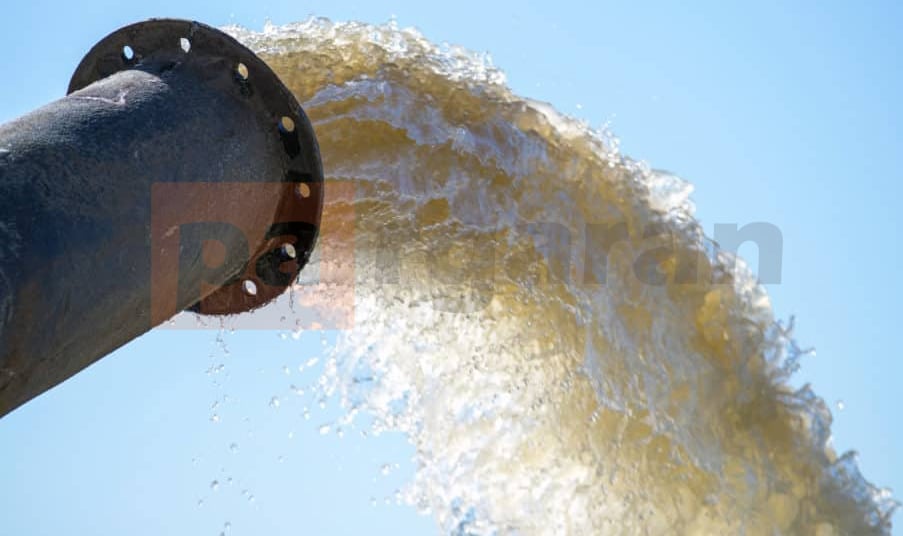
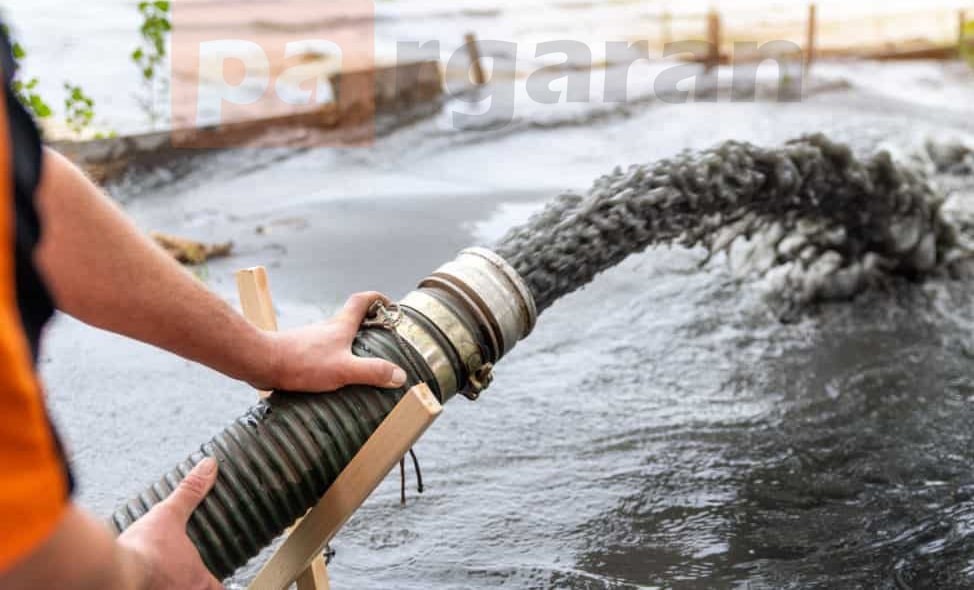
Sludge pumps, otherwise referred to as slurry transfer pumps, are used to transfer heavy, sticky liquids with high solid content. To assist in breaking down solids into smaller materials for easier transfer, sludge removal pumps often include a chopper impeller.
A high-quality sludge pump can easily remove and transfer many thicker fluids to prevent clogs at any point during pumping. Some materials that sludge pumps can transfer include sewage, biosolids, slurry pits, oil sludge, food paste, and manure slurry.
Sludge pumps are used for many dewatering applications in mining, industrial, agricultural, and construction industries that often require regular waste removal. Other types of pumps are not capable of transferring liquids with high solid content, potentially leading to clogs and back-ups that cause system failures and costly breakdowns.
Advantages and Benefits of Sludge Pumps:
There are several key advantages to using sludge pumps, including:
Low Energy Consumption.
Portable sludge pumps feature efficient designs that reduce electricity consumption compared to other pump systems. As a result, you can save on energy costs with a more sustainable waste removal solution. Low energy consumption. Portable sludge pumps feature efficient designs that reduce electricity consumption compared to other pump systems. As a result, you can save on energy costs with a more sustainable waste removal solution.
High Abrasion Resistance.
Since sludge pumps often transfer liquids containing solid contents like sand and gravel, they are made from high-quality materials to protect components from wear. Less wear means lower maintenance and replacement, helping you get the most from your system.
Long Working Life / Durability.
Sludge and slurry pumps are built for years of use, thanks to their quality design and construction.
Specifications of Powerful Sludge Pumps
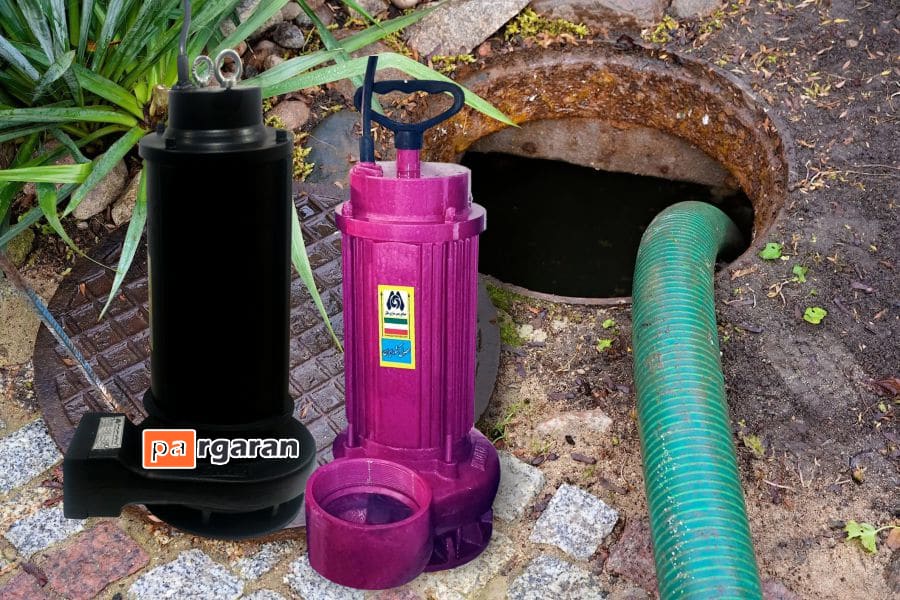
The operation of sludge pumps is very similar to that of submersible pumps. The only difference is that sludge pumps are used for pumping fluids that contain solid particles, while submersible pumps are used for pumping clean water without particles.
Material and Composition
When selecting the strongest sludge pump, you must first be very careful about the material and composition of the body. Typically, sludge pumps are designed and produced in two materials.
- Stainless Steel Sludge Pump
- Cast Iron Sludge Pump
- Brass Sludge Pump
Height (Head)
As with submersible pumps, height is an important factor in selecting a sludge pump. From the lowest point where the sludge pump is installed to the highest point it wants to transfer fluid, plus the drop due to fluid friction in the pipe, determines the height or head of the pump. It is important to note that the maximum head flow is given at zero flow, so it is critical to select a sludge pump with a head higher than the calculated height.
Flow Rate, Outlet Pipe Size
One important aspect is the flow rate. The greater the desired flow rate, the pump with a larger outlet diameter should be selected. Additionally, the time required to discharge the fluid is another factor determining the outlet size.
Type of Impeller
Depending on the type of fluid and its corrosiveness and the amount of solid particles, the type of impeller and its material are determined. Some fluids are corrosive, and it is better to use a stainless steel sludge pump; otherwise, over time, it will cause corrosion to the sludge pump. When purchasing, consult an expert to guide you in selecting a pump with the appropriate material, type, and number of impellers.
Single-phase or Three-phase Current
Types of sludge pumps typically operate on direct electrical current. However, this current may be three-phase or single-phase, depending on factors such as the pump’s motor power. Therefore, when purchasing, pay attention to whether the pump is single-phase or three-phase.


