


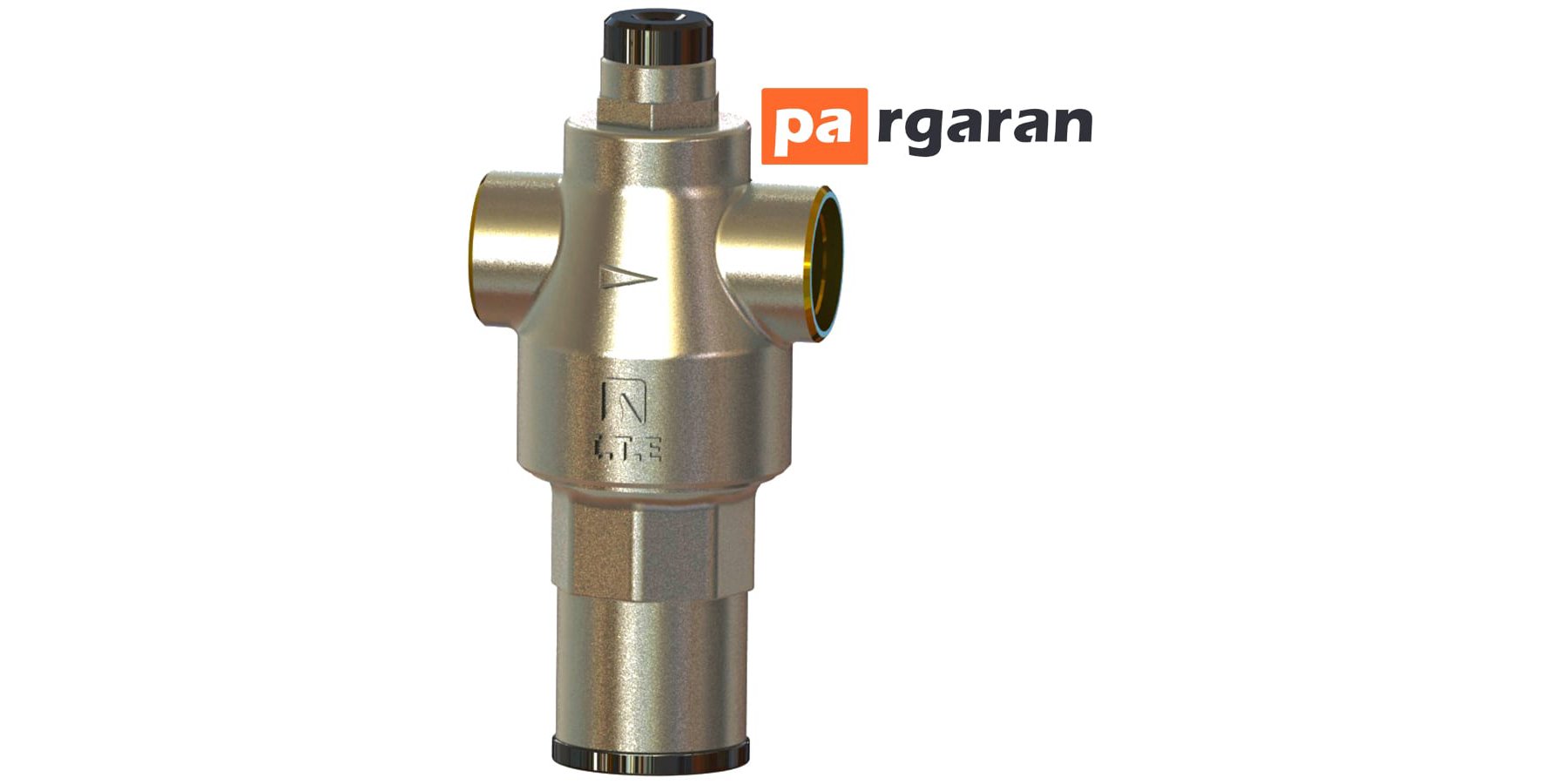
Pressure Reducing Valve | Reducing Valve | PRV reduces the high upstream fluid flow pressure through its hydraulic actuator and diaphragm disc by eliminating disturbances and fluctuations, providing continuity and pressure stability to the downstream fluid flow. Therefore, they are classified as safety valves.
These valves are also referred to as Pressure Reducing Valves and Reducing Valves. The pressure reducing valve has three main differences from the relief valve: 1. The reducing valve maintains a constant downstream pressure, whereas the pressure relief valve is used to protect the system from exceeding the allowable pressure.
2. The pressure reducing valve continuously operates in the line, while the relief valve only enters the circuit during a pressure crisis. 3. The reducing valve senses the output pressure of the pilot line, and the relief valve senses the input pressure of the pilot line. Reducing valves are classified into two categories based on their opening and closing mechanism: pilot-operated reducing valves and direct-acting reducing valves.
- Pilot-operated reducing valves can be installed on various types of valves.
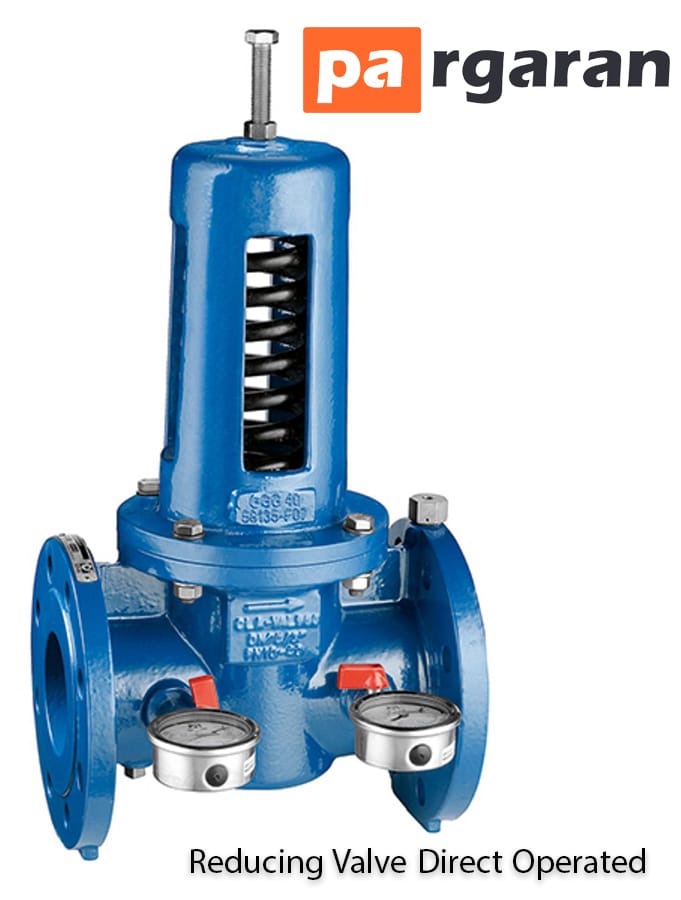
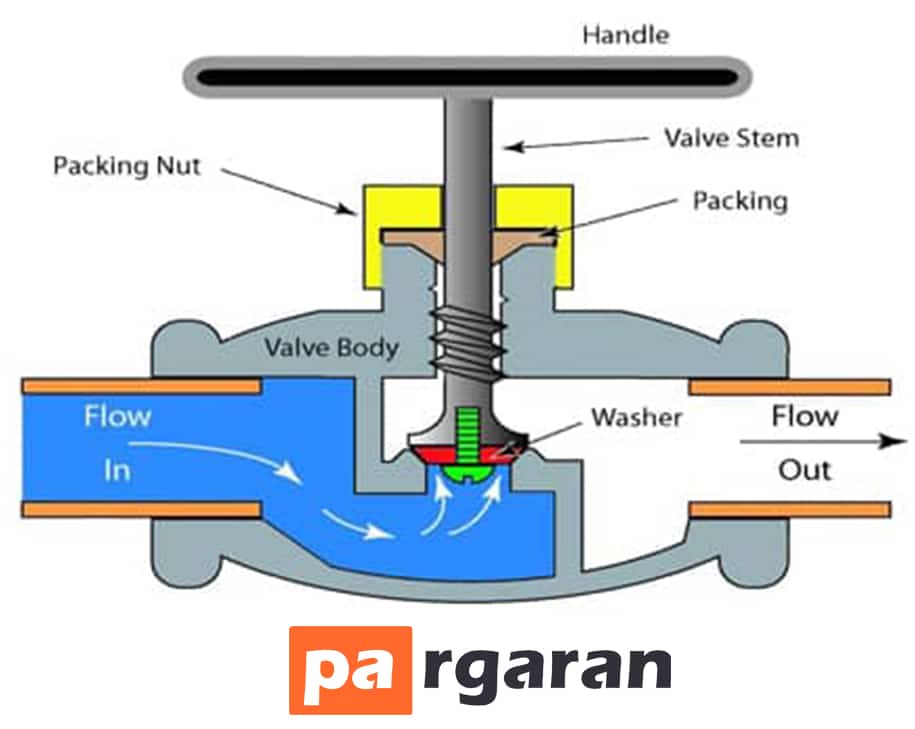
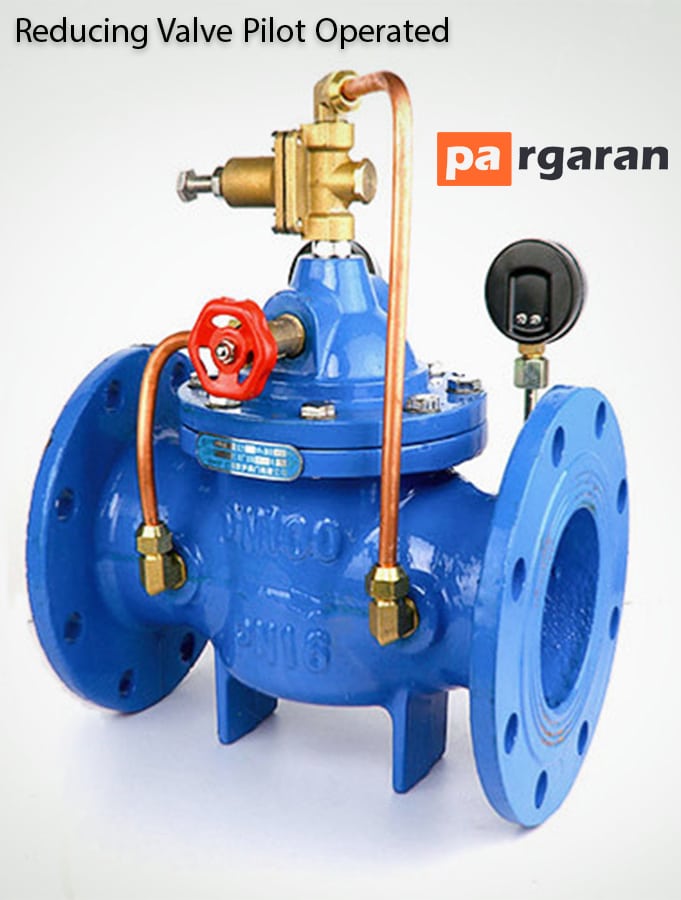 Below, you can see the components of a pressure reducing valve:
 If you have any questions or comments, please contact the Pargaran team.


