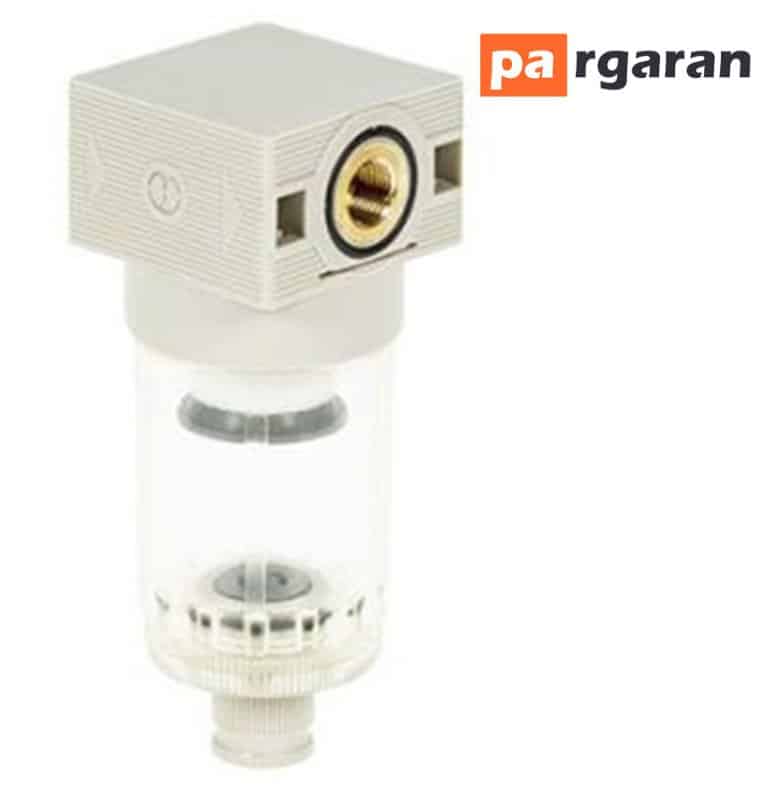
A pneumatic filter, known as a component of pneumatic systems and recognized as an air dryer or pressure filters, has significant importance. Atmospheric air contains impurities such as water vapor, dust, suspended oil particles, plant pollen, and more.
Each of these factors is hazardous for industrial systems that operate with compressed air and can damage equipment. Moreover, industrial systems do not function properly with impure air. To address this issue, filters are employed.
A pneumatic filter is a device that removes impurities from the pressurized air flow. It is used at the output of air compressors for this purpose. Through various techniques, it traps suspended particles and impurities, allowing pure air to pass through.
One of the most important features is the degree of separation or efficiency, which should be considered when selecting a filter. This characteristic indicates the percentage of particle separation in the filter. Additionally, a quality filter should be able to purify the air even after prolonged use and high contamination levels.
When pressure suddenly increases, the filter's performance may be disrupted, turning it into an energy waste. To prevent such issues from occurring, the filter must be continually monitored. By measuring pressure as air passes through the filter, you can determine the appropriate time to replace the air filter and prevent potential damage to the equipment.
Function of Pneumatic Filters
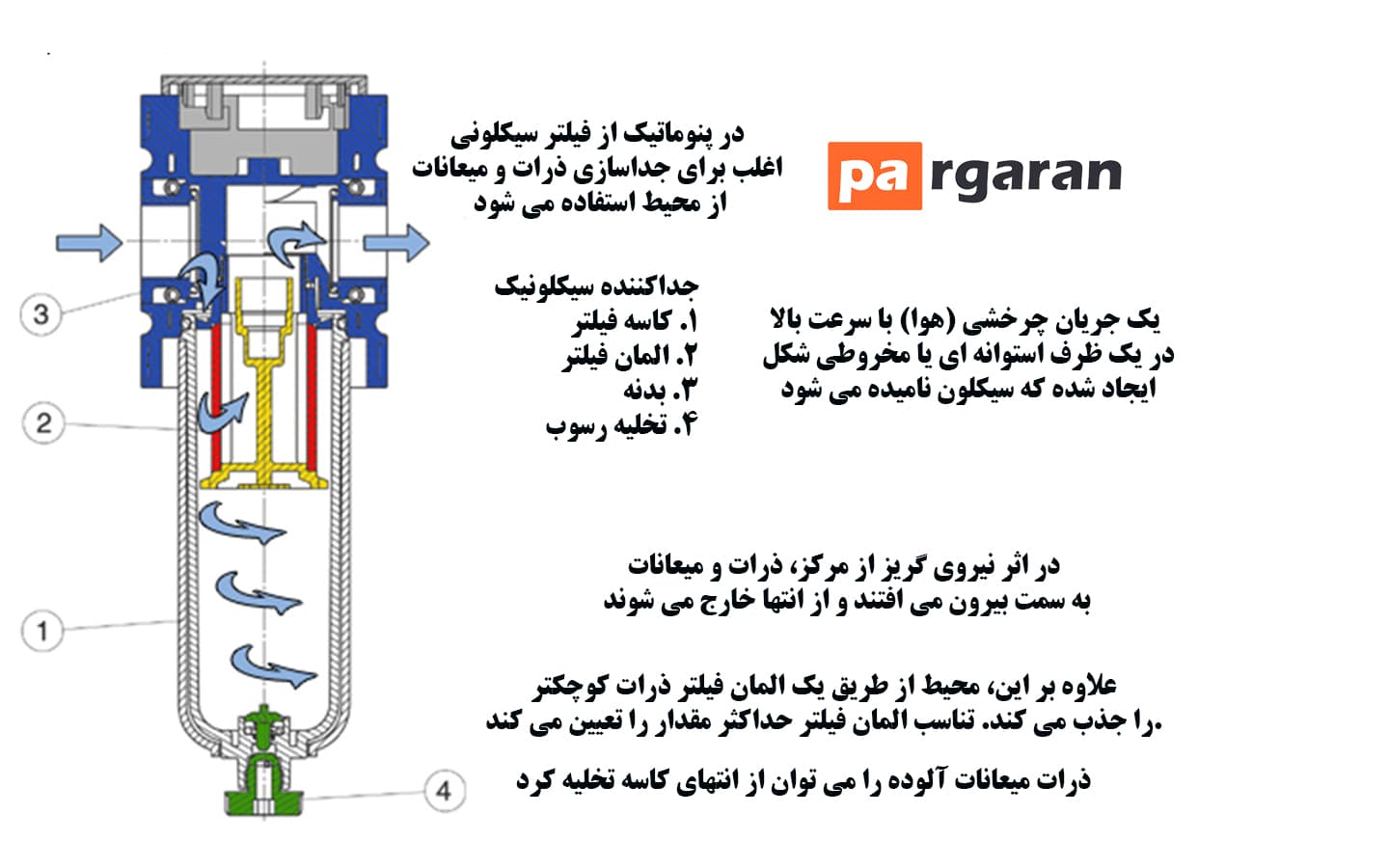
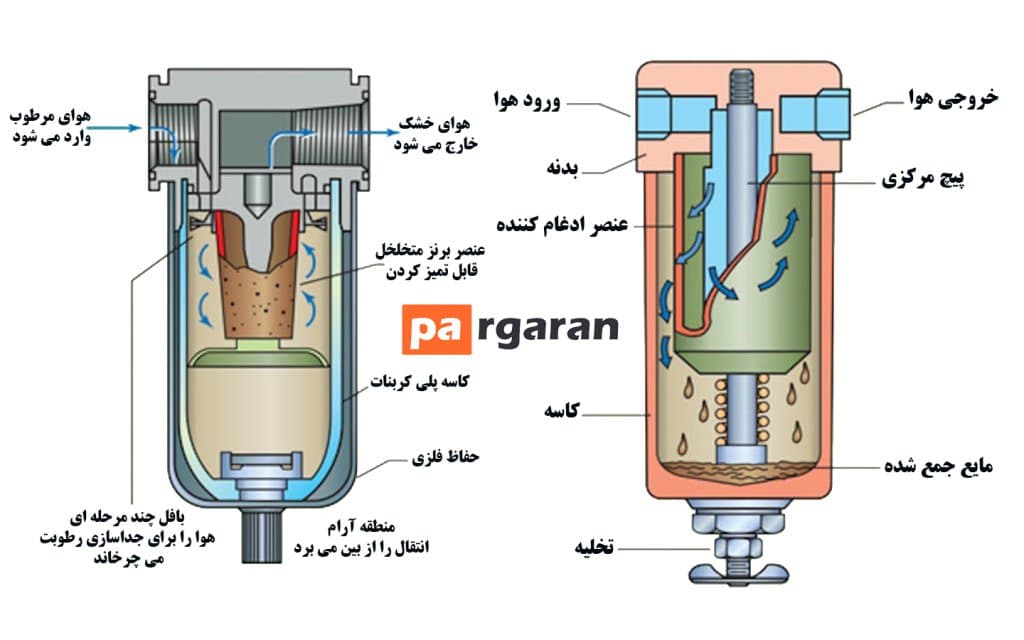
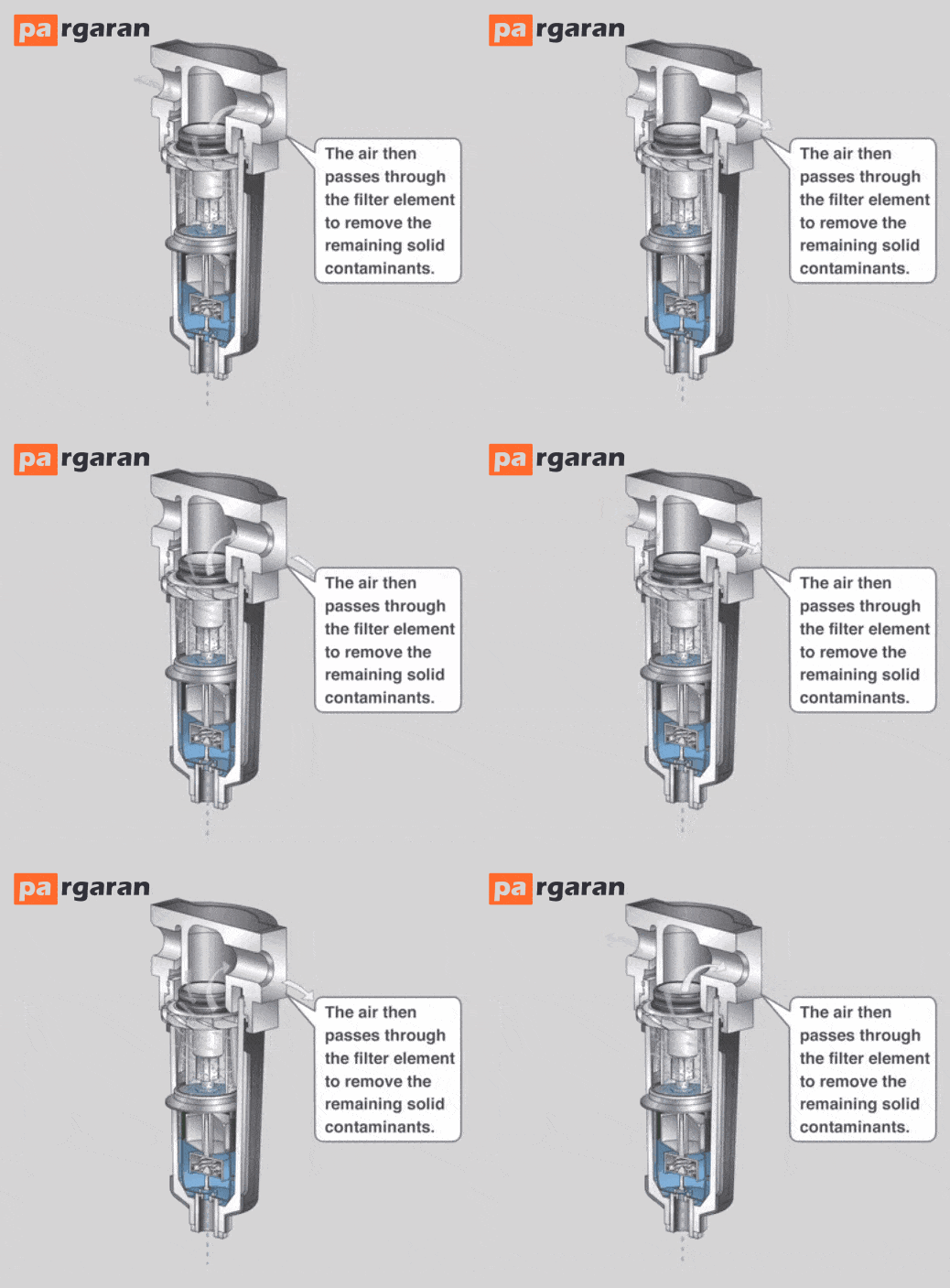
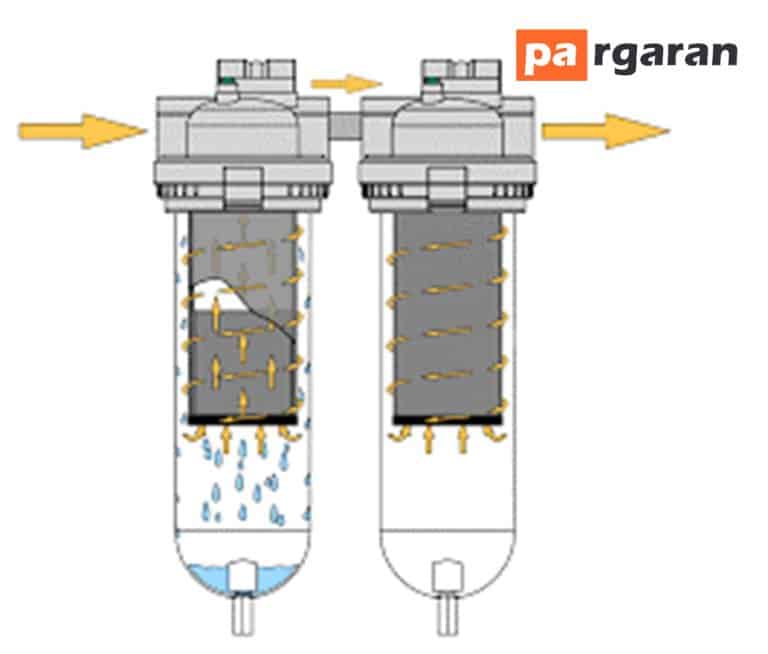
In the first stage of filtration, the pressurized air passes through a filter where adhesion occurs. In this case, larger particles are captured on the filter, and water condenses into larger droplets. It is then transferred to the separation chamber.
The speed of the pressurized air decreases, resulting in the particles being compressed on a mesh pad. In this situation, the water droplets move toward the end of the discharge system.
- In the first stage, most of the water droplets, oil, and larger particles are removed.
- In the second stage, air passes through fibers, generating thousands of small vortices that increase air speed.
Applications of Pneumatic Filters
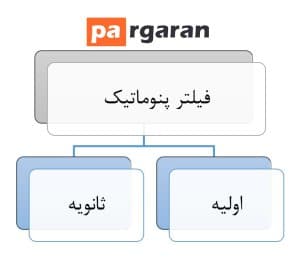
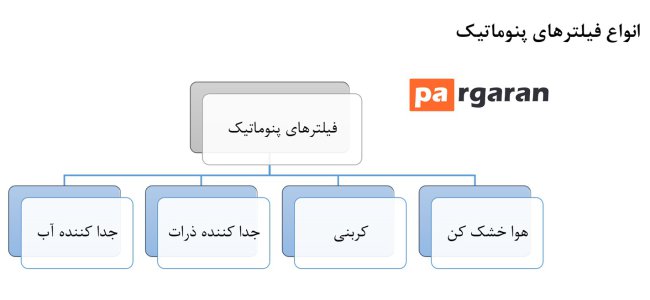
Primary Pneumatic Filters
Commercial and ordinary pneumatic filters filter particles as small as 5 micrometers from the air. These filters protect pneumatic devices from damages caused by these pollutants.
These pollutants include: dust particles, small water droplets or aerosols, and suspended particles that are expelled from the compressor. The air expelled from the compressor can pass through a layer made of activated carbon or other materials. Undesired pollutants are absorbed up to about 95% at this stage.
Secondary Pneumatic Filters
Secondary pneumatic filters have many applications. These filters can remove small particles of 50 nanometers, vapor, mist, moisture, oil, and fine particles from the air flow.
This system accelerates the air and creates smaller vortices. Smaller particles that managed to pass through the primary stage are captured by the narrow gaps of the filter, resulting in a natural drop in pressure that can be compensated for with a pressure regulator.
-
Air Dryer Filter
Air gradually cools in these filters, and using membrane fibers, water vapor is separated from the rest of the air by absorbing molecules. In the next stage, dry air is transferred to the other parts of the device. This model of filter is the best option for use in cases where your system is sensitive to water.
-
Carbon Filter
The best option for removing specific gases such as odors. Additionally, these filters work well to remove oil droplets as well. Typically, air passes through a cartridge filled with activated carbon to absorb unwanted molecules and separates them from the rest of the gases. Due to the limitations of carbon cartridges, they require periodic replacement and cleaning.
-
Particle Separator
The application of this type of filter is to remove solid particles from the air, such as dirt and other sediments. In fact, this is the best-selling type of primary filters and typically captures small sediments as small as 5 microns.
-
Water Separator
This category of filters also filters oil in addition to water. Using high pressure, it separates particles and transfers them to another chamber.
Usage Tips for Pneumatic Filters | Dehumidifier
Selecting the appropriate dehumidifier plays a significant role in the efficiency and quality of a system that operates with compressed air. The pore size of the pneumatic filter element is regarded as one of its important features, as it indicates the smallest size of particles and impurities that can be filtered.
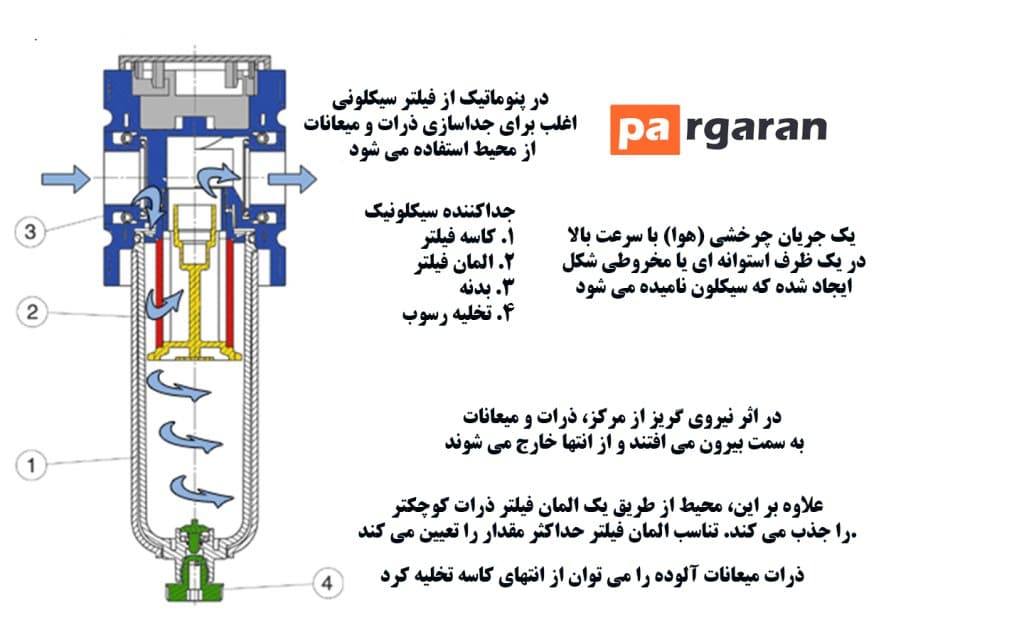
Another point is the drainage of the distilled water collected in the filter bowl to prevent water from entering the air path. For this purpose, it is recommended to use automatic and semi-automatic drainage filters instead of manual drainage filters.
Applications of Pneumatic Filters
These filters are used in various filtration stages in industries such as laboratories and medicine, food processing, precise analytical tools, food industry, beverage production and packaging, maritime, and aerospace industries.
To ensure effective operation and longevity, pneumatic machines utilize pneumatic filters. Their use is intended to clean the compressed air from any pollutants. Filters increase the lifespan of components by removing contaminants from the pneumatic system. They are typically used alongside air filters, shapers, regulators, and various connections.
For any questions or comments, please contact the Pargaran team.