Laser Processing Machines | ماشین های پردازش لیزری
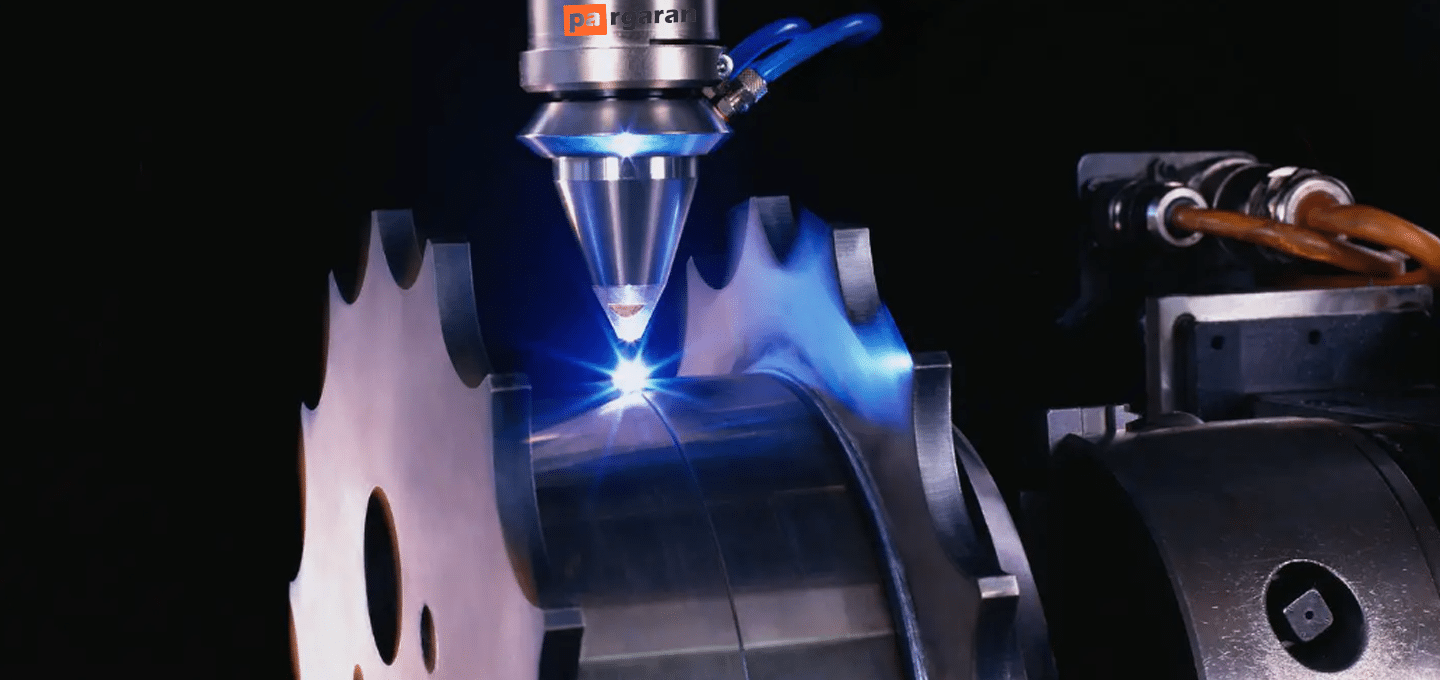
Laser processing machines are the most common application of laser systems. The main technologies include laser welding, laser cutting, surface modification, laser marking, laser drilling, micro-machining and photo-chemical deposition, stereo lithography and laser etching.
One of the key technologies for changing traditional manufacturing is laser processing equipment. Main products include various laser marking machines, cutting machines, welding machines, die-cutting machines, heat treatment machines, engraving machines, 3D printing machines, and more.
Advancements in Laser Processing Technology: Applications and Innovations
Laser processing involves using a laser beam to alter the surface of a material through thermal effects, including laser welding, laser cutting, surface modification, laser marking, laser drilling, and micro-machining.
The laser beam can perform various tasks such as punching, cutting, scribing, welding and heat treatment on a variety of materials.
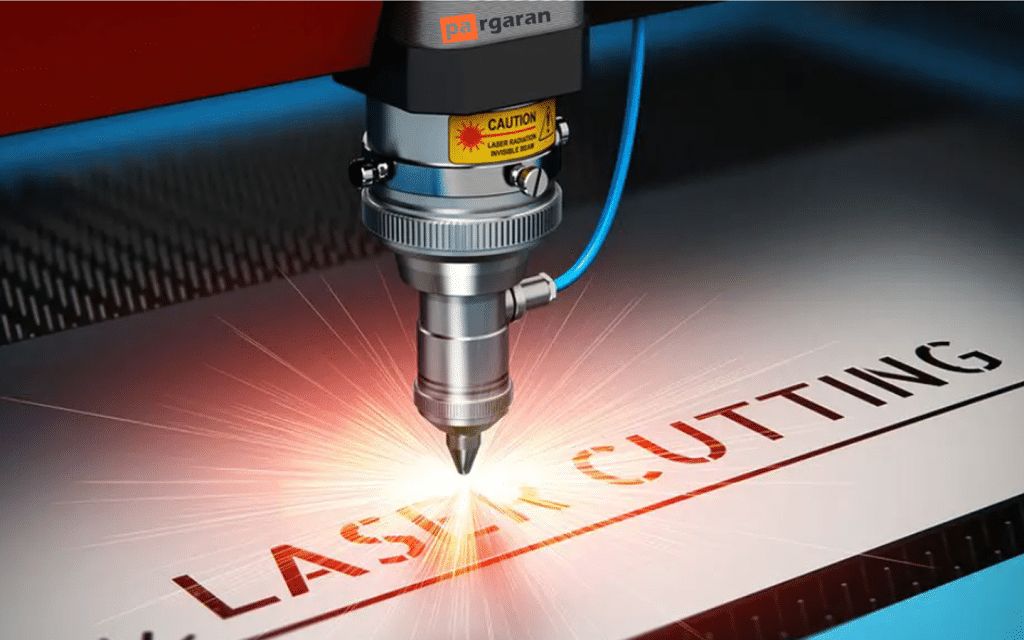
Lasers have the capability to process any material and they play an unparalleled role in precision processing and specialized manufacturing, especially under specific conditions and with specific materials.
I. Principles and Features of Laser Processing
Principle of Laser Processing
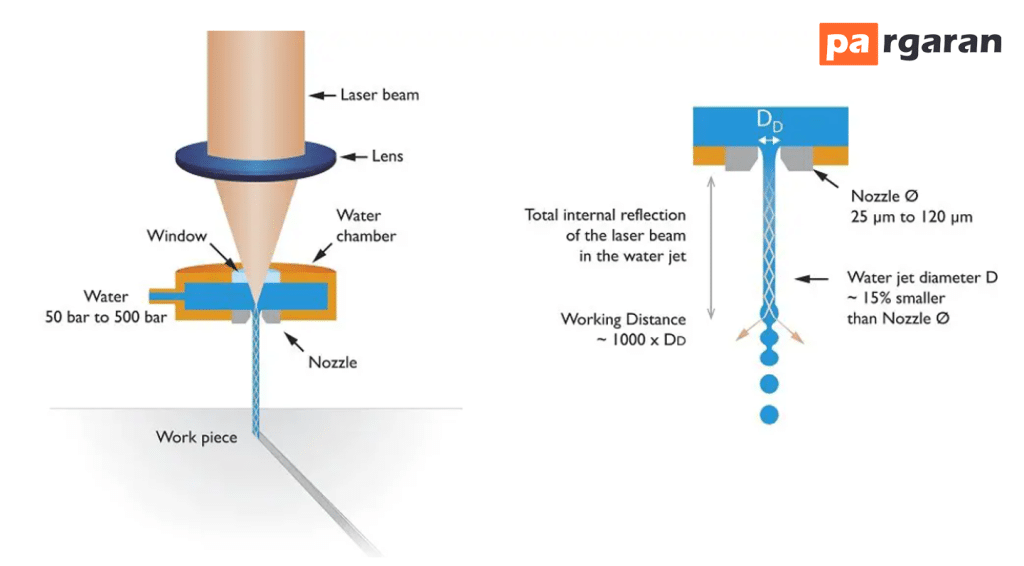
Laser processing involves the use of a laser beam to change the surface of a workpiece through high-energy radiation. This results in material removal, melting, or alteration of surface properties.
This process is non-contact, meaning that the tool does not create resistance against the surface of the workpiece like grinding does, making it a fast and efficient method.
Additionally, the energy and speed of the laser beam can be adjusted, allowing for versatile applications across different surfaces and ranges.
Characteristics of Laser Processing Machines
The unique characteristics of laser processing highlight its advantages in the field of manufacturing:
- Since processing is non-contact and the energy of the laser beam is high with adjustable movement speed, it can be used for various processing purposes.
It can process various metal and non-metal materials, especially those with high hardness, brittleness, and high melting points.
Laser processing does not cause tool wear and does not create shear forces on the workpiece.
The energy density of the laser beam during processing is very high, making it fast and very localized, with minimal effects on areas not exposed to the laser radiation. This results in a small thermally affected zone, minimal thermal distortion of the workpiece, and a reduction in the need for subsequent processing.
It can be used for processing within a sealed container through a transparent environment to the workpiece.
Guiding and focusing the laser beam is easy and allows for redirection, facilitating the operation of CNC systems for the processing of complex parts.
- Laser processing is highly efficient, produces reliable quality, and has good economic returns.
For instance
- General Electric in the United States uses slab laser processing to cut shaped openings in aircraft engines and completes this task with high quality in less than 4 hours, while the traditional EDM processing method takes more than 9 hours. This alone saves $50,000 in costs per engine.
The efficiency of laser cutting steel can increase by 8-20 times, resulting in a 15-30% reduction in material costs. This leads to significant cost savings while providing high precision machining and ensuring stable and reliable product quality.
While laser processing offers many advantages, its limitations are also evident.
Laser Technology
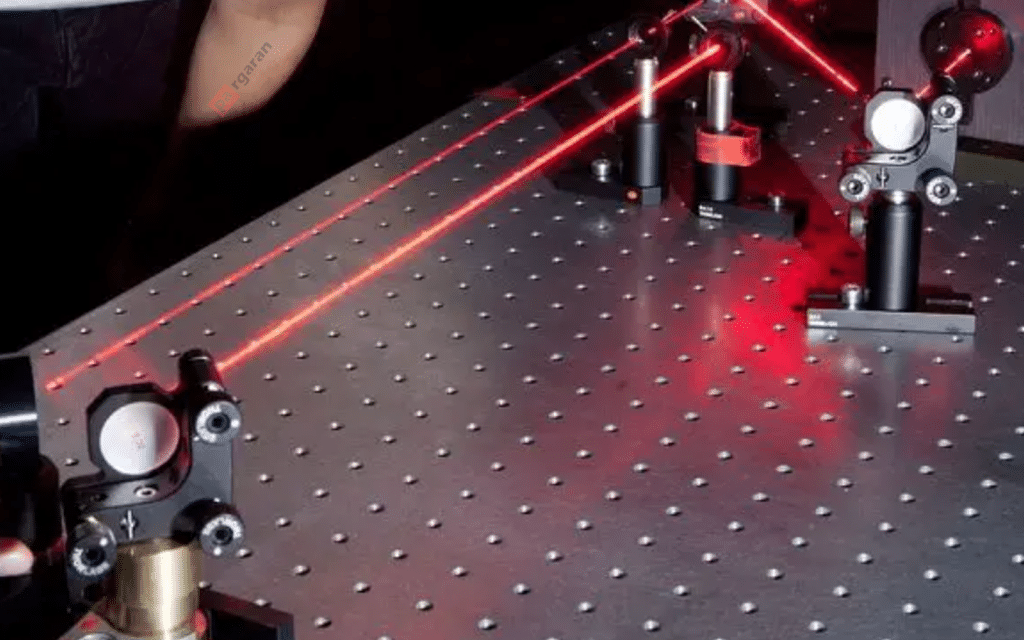
Laser processing includes the use of laser beams to perform various processes such as punching, cutting, scribing, welding, and heat treatment.
Laser Processing Machines have many advantages:
① The high laser power density rapidly increases the temperature, melting or vaporizing the workpiece, even for materials with high melting points, high hardness, and brittleness (such as ceramics and diamonds).
② The laser head does not come into direct contact with the workpiece, preventing wear of the subject during processing.
③ Workpieces are free from force and easily remain uncontaminated.
④ Workpieces can be processed while moving or inside a sealed glass casing.
⑤ The divergence angle of the laser beam can be less than 1 millionth of a radian, with spot diameters as small as a few microns and action times from nanoseconds to picoseconds.
Meanwhile, the continuous output power of the high-power laser can reach kilowatts to tens of kilowatts, making it suitable for both precision micro-machining and large-scale material processing.
⑥ Beam control is easy, and it can be paired with precise machinery, precise measuring technology, and electronic computers for automation and high precision in processing.
⑦ Robots can be used for laser processing in harsh environments or in places where work is difficult for humans.
Laser Punching
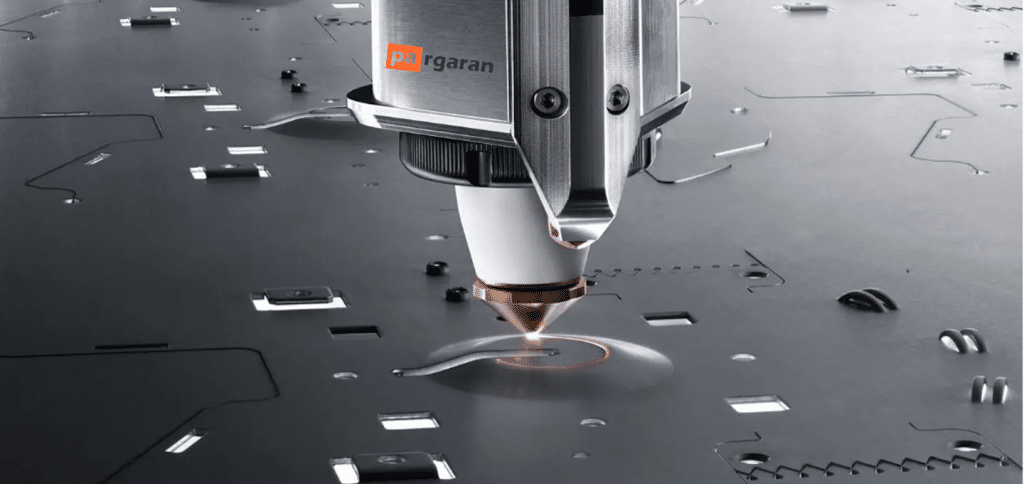
Pulse lasers are utilized for drilling, with pulse widths from 0.1 to 1 milliseconds. They are particularly suitable for creating holes and shaped apertures ranging from approximately 0.005 to 1 millimeter.
Laser drilling has been used in the production of parts such as watches and clocks, gemstone bearings, diamond design molds, and chemical fiber threads.
Laser Cutting, Scribing, and Lettering
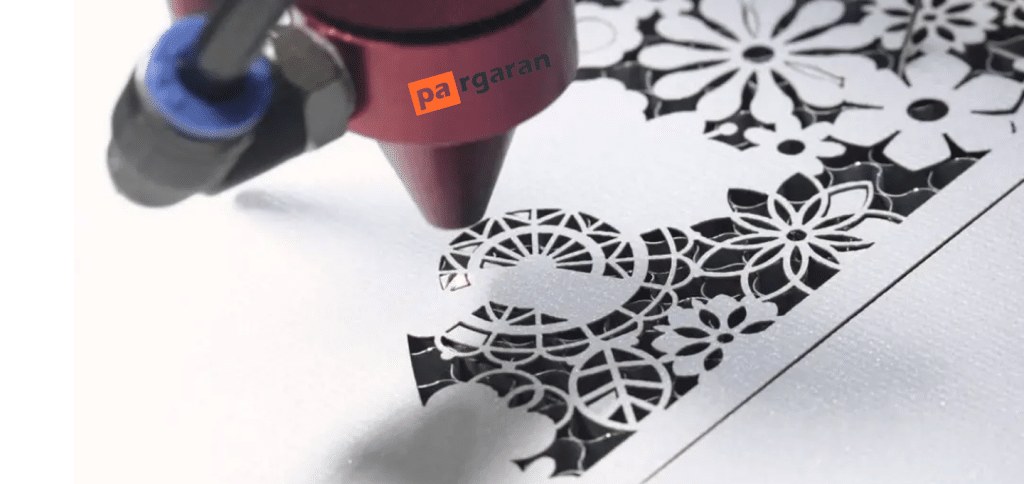
The shipbuilding and automotive industries often use continuous CO2 lasers with hundreds of kilowatts to millions of watts to cut large parts, ensuring precise curved shapes while also providing higher processing efficiency.
Medium and small solid-state lasers or regular CO2 lasers are typically used for cutting small parts. In microelectronics, lasers are commonly used for cutting silicon or creating slots quickly, with minimal thermal effects on the affected area.
Lasers can also be used to mark the workpiece or to mark on the assembly line without impacting assembly line speed, and the characters engraved can be permanently preserved.
Laser Fine Tuning
The use of medium and low power lasers to remove sections from electronic components on materials serves to change electrical parameters such as resistance, capacitive capacity, and resonance frequency.
Laser fine tuning features high precision and speed, making it suitable for large-scale production.
Similar principles can be applied for repairing defective integrated circuit masks, enhancing the performance of integrated circuits, and making precise dynamic balance adjustments on gyroscopes.
Laser Welding
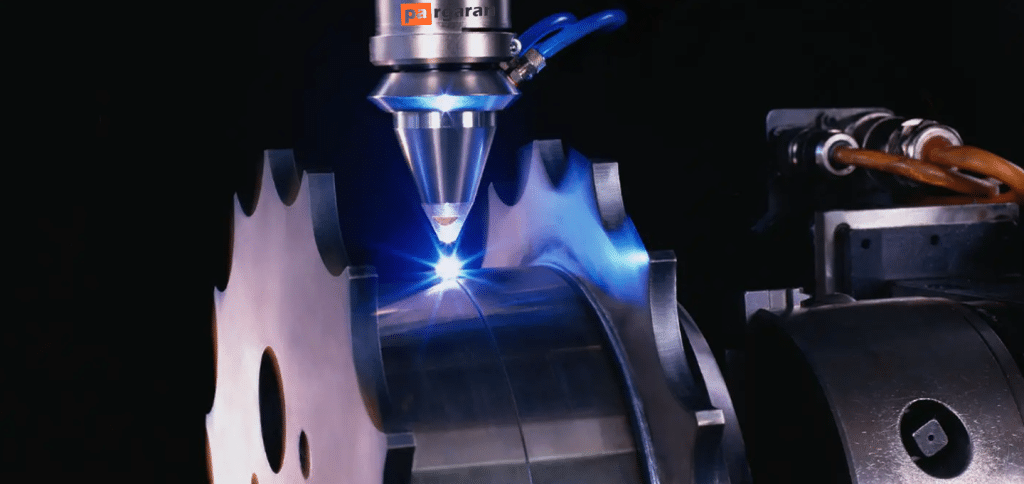
Laser welding is characterized by high strength, minimal thermal distortion, effective sealing, consistent size and nature of the weld, and the ability to weld materials with high melting points (such as ceramics) and those susceptible to oxidation.
Thus, laser welding is especially beneficial for pacemakers that are effectively sealed, have a long lifespan, and are also small in size.
Laser Heat Treatment
By irradiating materials with lasers, the appropriate wavelength, control of irradiation time, and power density can be selected to achieve melting and recrystallization of the surface of the material, aiming for quenching or annealing effects.
Laser heat treatment has the advantage of being able to precisely control the depth of heat treatment, targeting specific areas of material...