


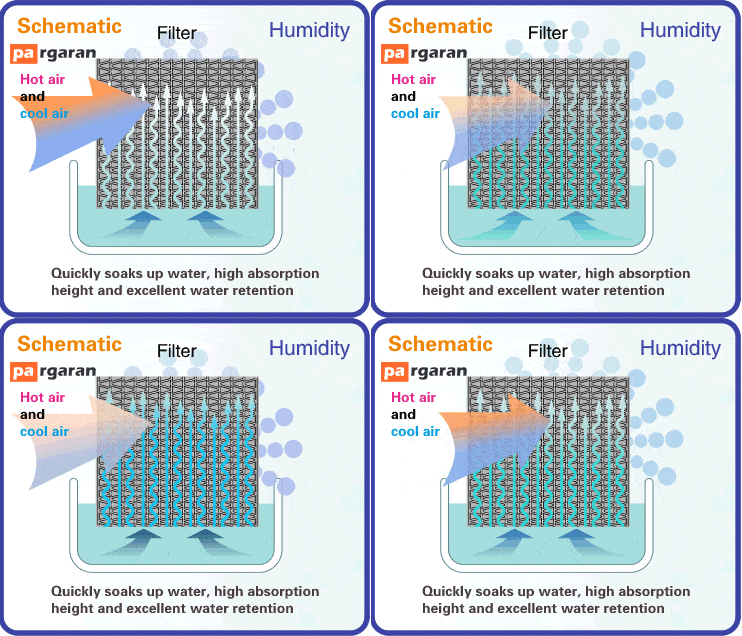
Filters
Filters remove water, soil, and other harmful waste from the air system. Two factors, micron size and bowl material, determine the required filter based on the type and size of pollutants and the air required by the components. Common applications typically require a filter ranging from 5 to 40 microns. The filter rating limits the size of particles that the filter allows to pass through. For example, a 20-micron filter only allows particles smaller than 20 microns to pass.
Filters experience a slight pressure drop at the inlet and outlet due to flow restrictions. Since blocking a 0.1-micron filter is easier than a 40-micron filter, 0.1-micron filters create greater pressure drops and require more maintenance. Therefore, avoid oversizing the filter by selecting the best micron size, as this can lead to higher costs for the part, increased pressure drop, and more maintenance time.
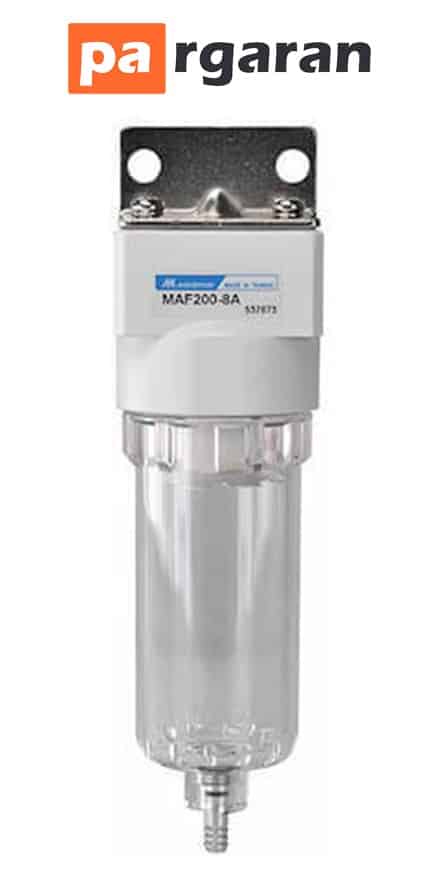
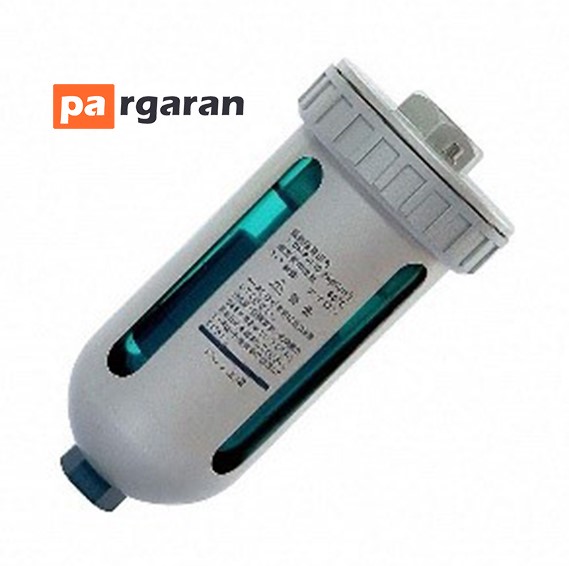
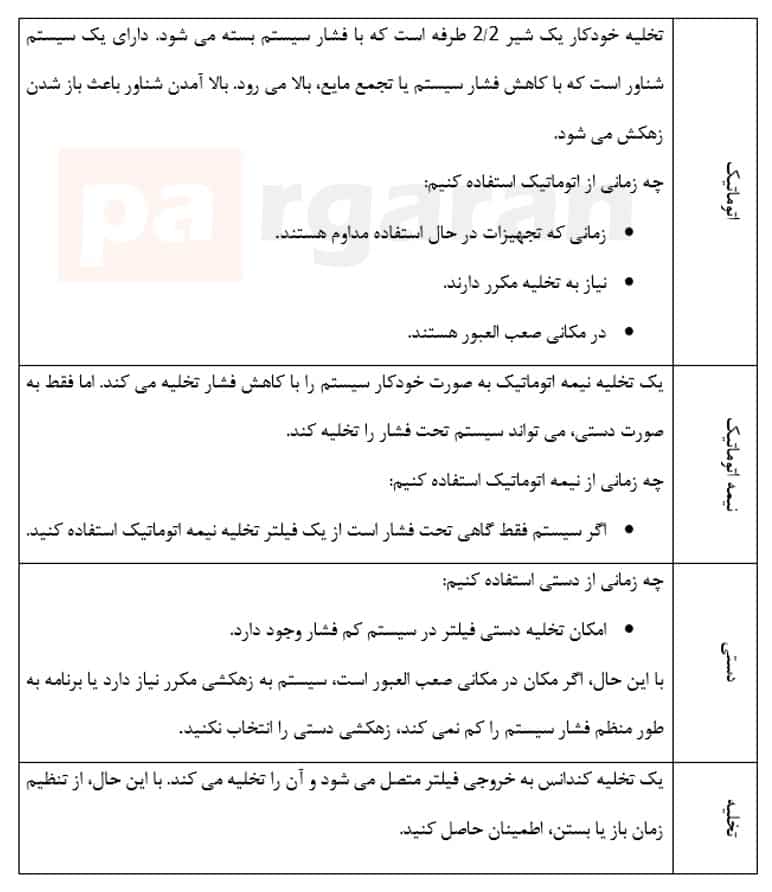
Instead, choose a filter that only removes the smallest specific pollutant for your system. The bowl material and type of drainage are also very important. The bowl is in contact with the pollutants and holds the filtered particles. Therefore, pressure, temperature, and the present chemicals affect the selection of the bowl material. Filters also require drainage using automatic, semi-automatic, or manual drainage systems. Alternatively, a condensate drain can be connected to the outlet to remove the filtered pollutants.
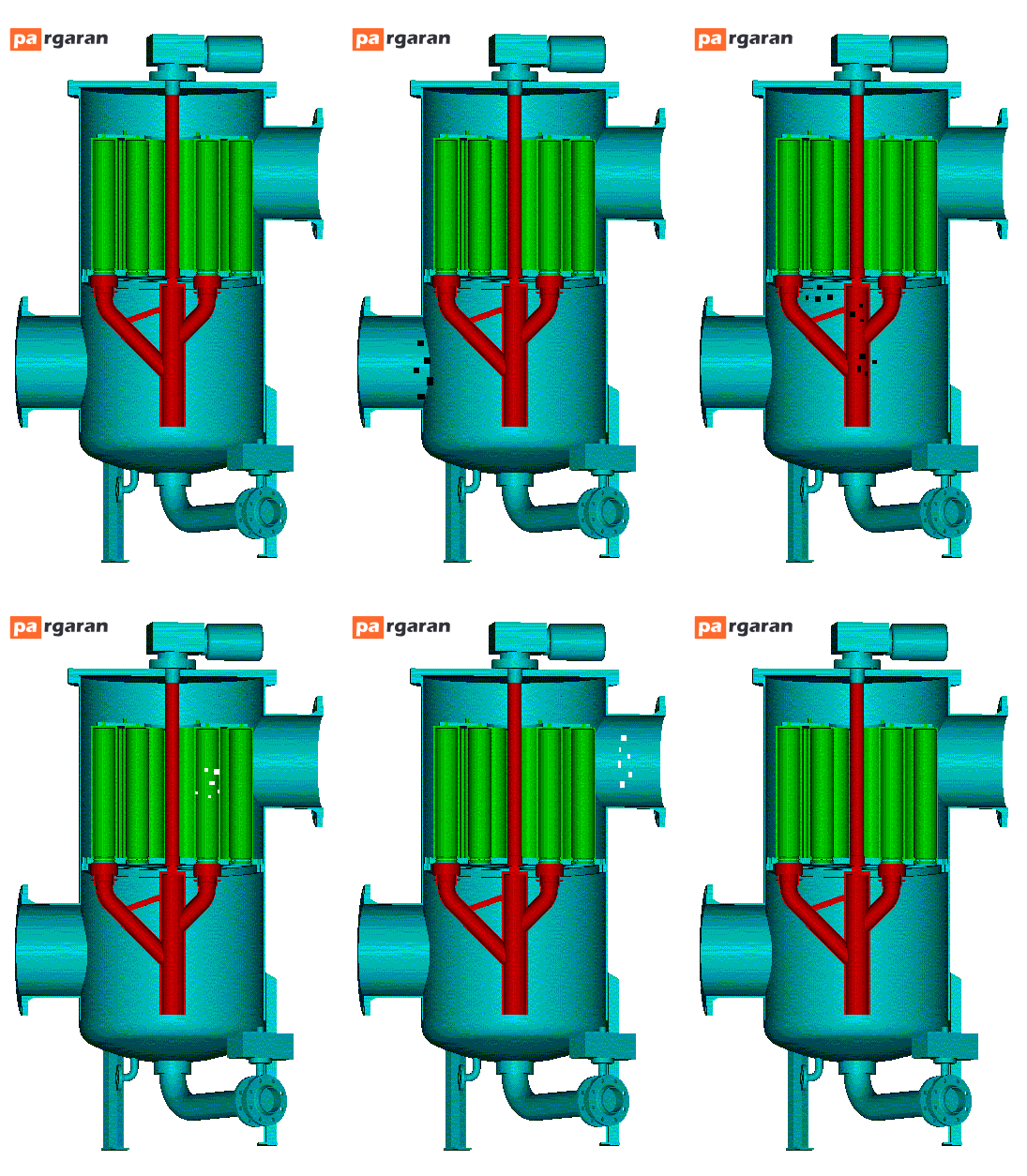
I hope you enjoyed reading the article (Filters).
For any questions or suggestions, please contact the Pargaran team here.


