Filter | What is a Filter?
Filters are elements used to remove substances such as dust or dirt, or electronic signals, etc. when passing through filtering devices. Air or gas filters, fluids, and electrical and optical filters are available. Electronic filters clean unwanted frequencies in audio and intermediate ranges. However, in the radio frequency and microwave ranges, RF and microwave filters have similar functions. This category of filters minimizes or eliminates electromagnetic interference (EMI) and radio frequency interference (RFI). Fluid filters cleanse waste from fluids. Fuel filters remove pollutants from fuel, whereas hydraulic filters eliminate pollutants from hydraulic fluids. Water systems also serve as filters. Optical filters allow light to pass through while filtering specific wavelengths of light.
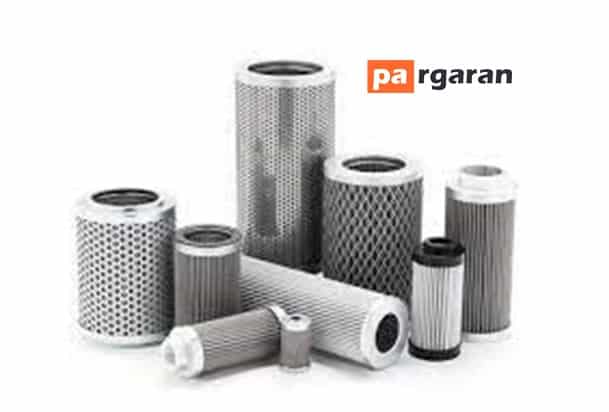
Most Common Filters
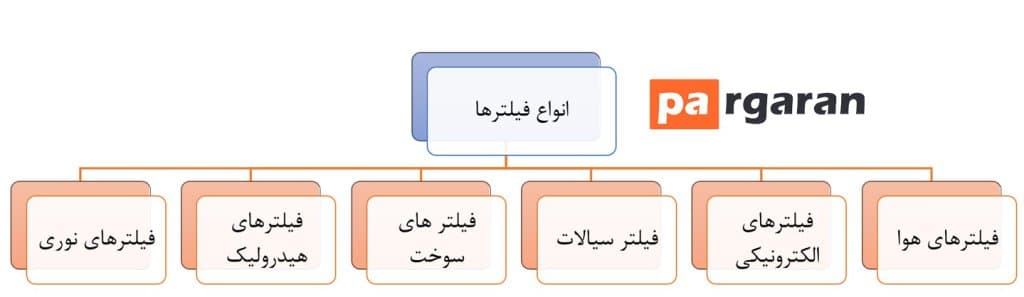
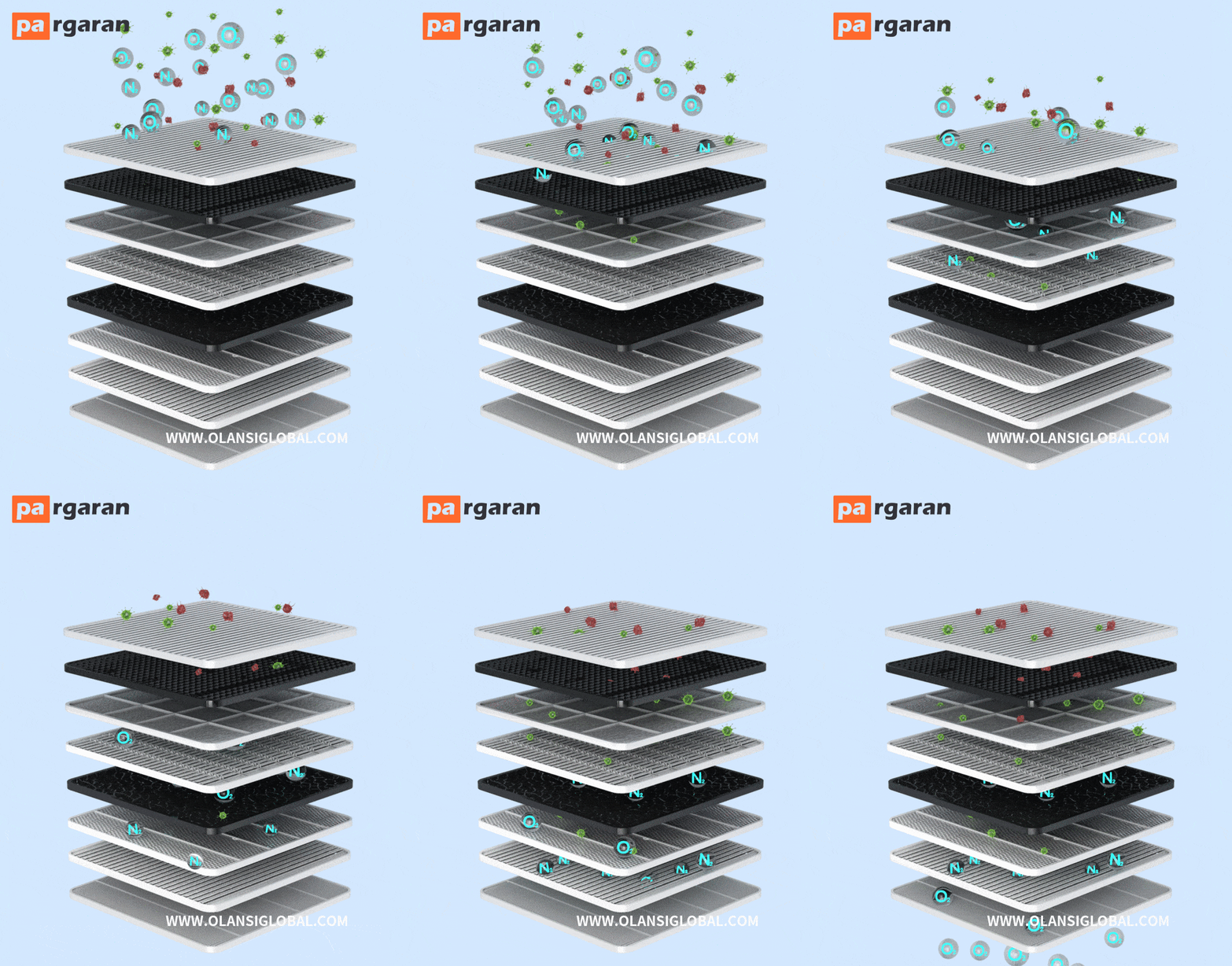
Air
Air filters are systems or components that remove airborne particles as air passes through filter elements, and they can be standalone complete systems or replacement elements. Key specifications include the intended application, physical size, type of filter, filter medium, and airflow rate. Air filters are used when systems require particle-free air; they are also utilized to clean air before it is discharged. An air filter system typically consists of a filter element and a housing that encloses the element. Their specific applications include automotive engines, clean rooms, or exhaust hoods in kilns. Air filters can eliminate a variety of pollutants, including dust, smoke, oil, and bacteria.
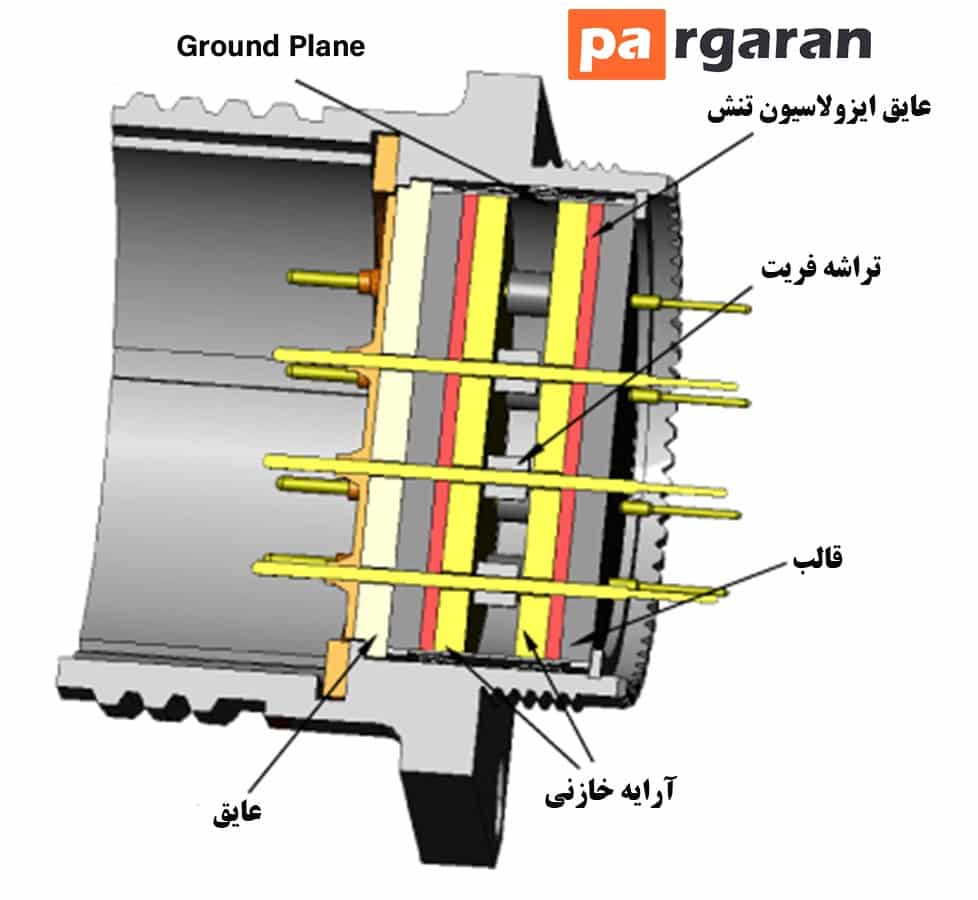
Electronic Filters
Mainly used for processing electronic signals, including the removal of unwanted frequency components or amplifying other components. They typically work at frequencies below RF (radio frequency). Common operating frequency ranges include AF (audio frequency) or IF (intermediate frequency), both of which are power frequencies. Electronic filters come in various types and functions, including passive or active, analog or digital, and low and high range. Electronic filters are also used to minimize or eliminate electrical noise.
EMI/RFI
These are electrical devices that eliminate or minimize EMI (electromagnetic interference) or RFI (radio frequency interference) in a system. Key specifications include the intended application, type of filter, electrical specifications including voltage rating, current, and frequency, as well as bandwidth. Primarily used in electronic and communication applications when the performance of a product or electrical system is disrupted by EMI or RFI signals, EMI/RFI filters are utilized to minimize or eliminate these signals. Filters are usually placed for protection between an AC power line and equipment. Versions can be placed on PCBs and can also be integrated into connectors or used as standalone components for installation in tool cabinets. Filters may also be used to eliminate EMI/RFI emissions from equipment.
Fluids
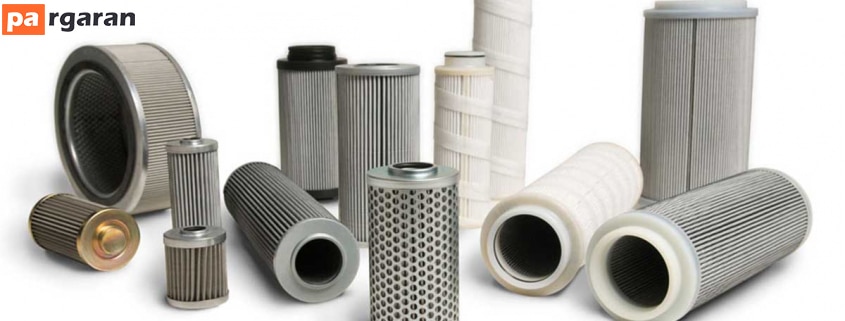
Fluid filters are devices or systems that remove unwanted materials as liquids pass through filter elements. They can include standalone complete systems or replacement elements. Key specifications include intended applications, type of filter, filter medium, particle size, and flow rate. Fluid filters are primarily used in any system requiring particle-free or waste-free fluids. They are also applied to protect equipment or clean fluids before discharge into the environment. A fluid filter system typically consists of a filter element and a housing. Specific applications include motor oil filters, cooling system filters, and metalworking fluid filters. The filter medium may be made from various materials including fabric, foam, carbon, porous metals such as stainless steel, etc.
Fuel Filters
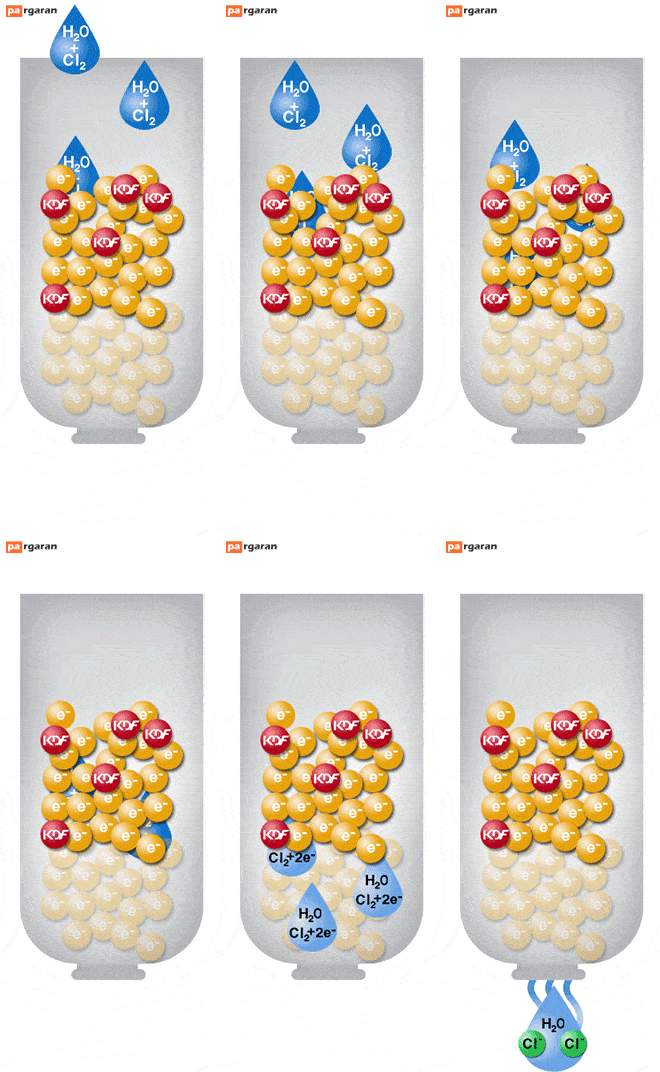
Fuel filters are devices that remove unwanted materials from the fuel system. They may exist as either a complete system or a replacement element. Key specifications include intended applications, filter, particle size, flow rate, and physical dimensions. Fuel filters are primarily used to filter waste or unwanted materials from fuel to protect equipment and allow more efficient burning of fuel. They are typically designed for specific applications such as diesel engines, airplanes, or for filling tanks, and they come in various shapes and sizes depending on the required application.
Hydraulic
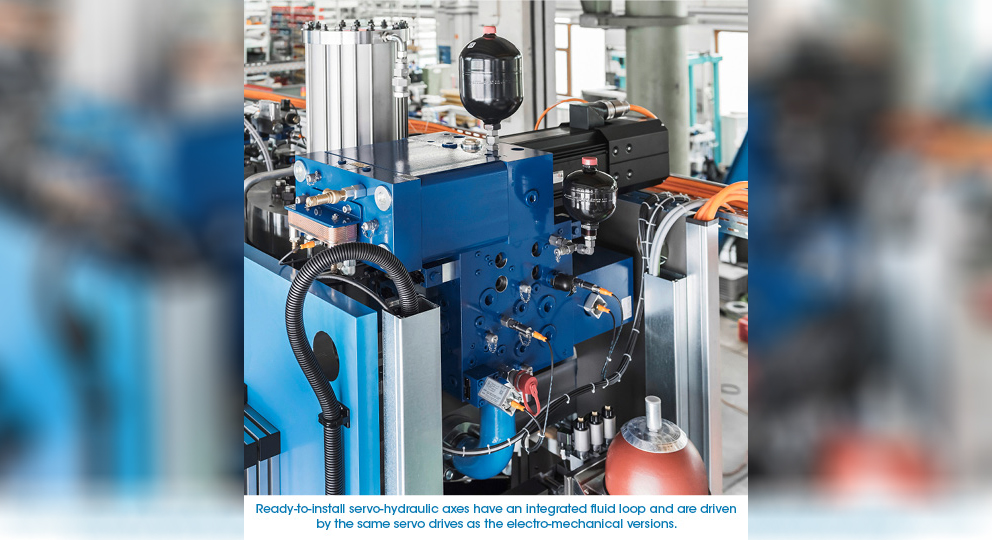
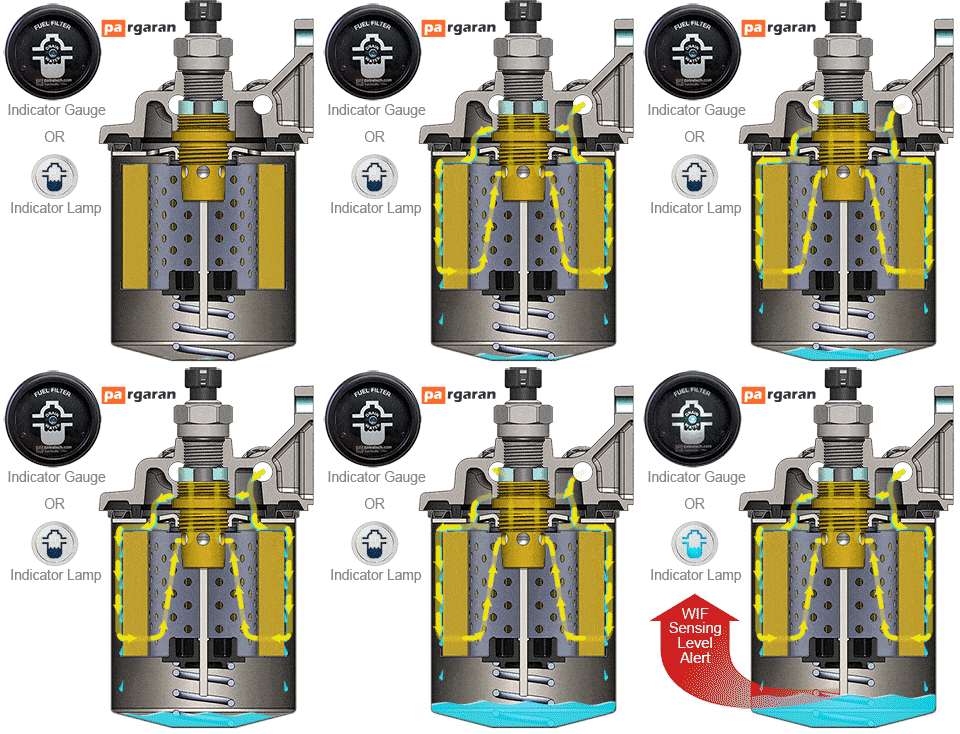
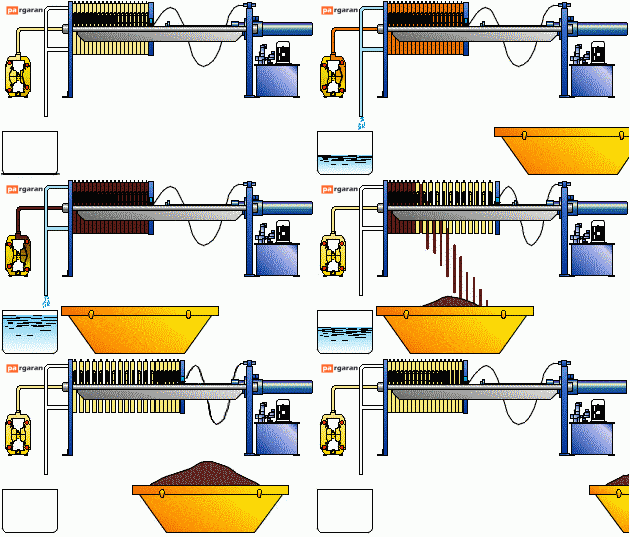
These are devices that remove contaminants from hydraulic fluids and may be used as complete systems or standalone replacement elements. Key specifications include type of filter, filter materials, and physical dimensions. Hydraulic filters are primarily used to filter waste or unwanted contaminants from fluids for use in hydraulic cylinders or other systems that utilize hydraulic fluids. Depending on the application, filters may require different materials or types. Components often remove particles.
Hydraulic Press Filter
Optical
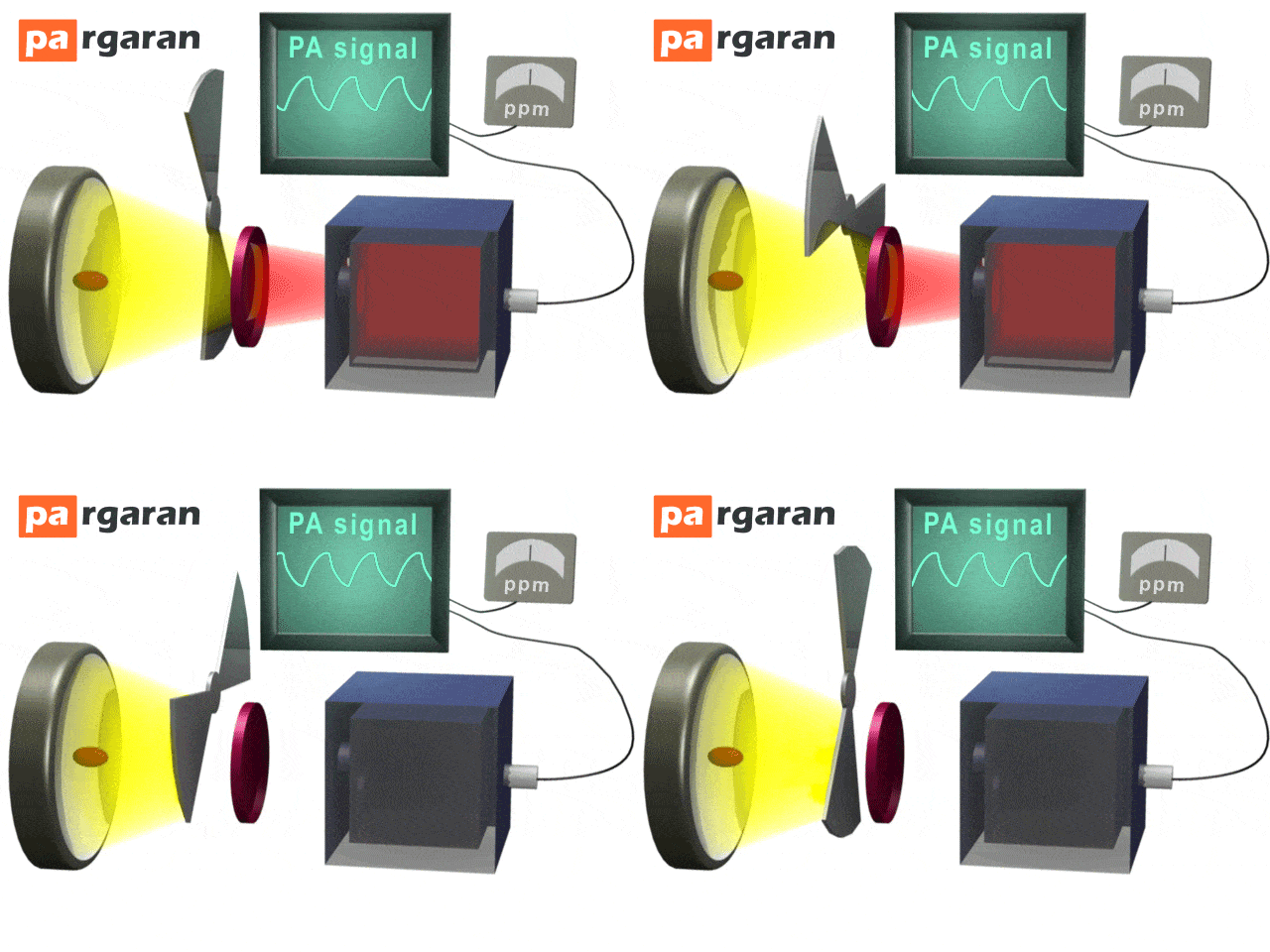
Optical filters are devices that are positioned in the path of light sources to allow only specific wavelengths to pass through or be transmitted. Key specifications include intended applications, materials, wavelength characteristics, and physical dimensions. Optical filters are primarily used in photography, but they can also be utilized in other scientific or technical work. Many types of optical filters, including UV and infrared, can be found among several other filters, each with specific functions, allowing certain wavelengths or ranges of specific wavelengths to be transmitted. Some are photography-specific and may not be applicable in technical work.
RF and Microwave Filters
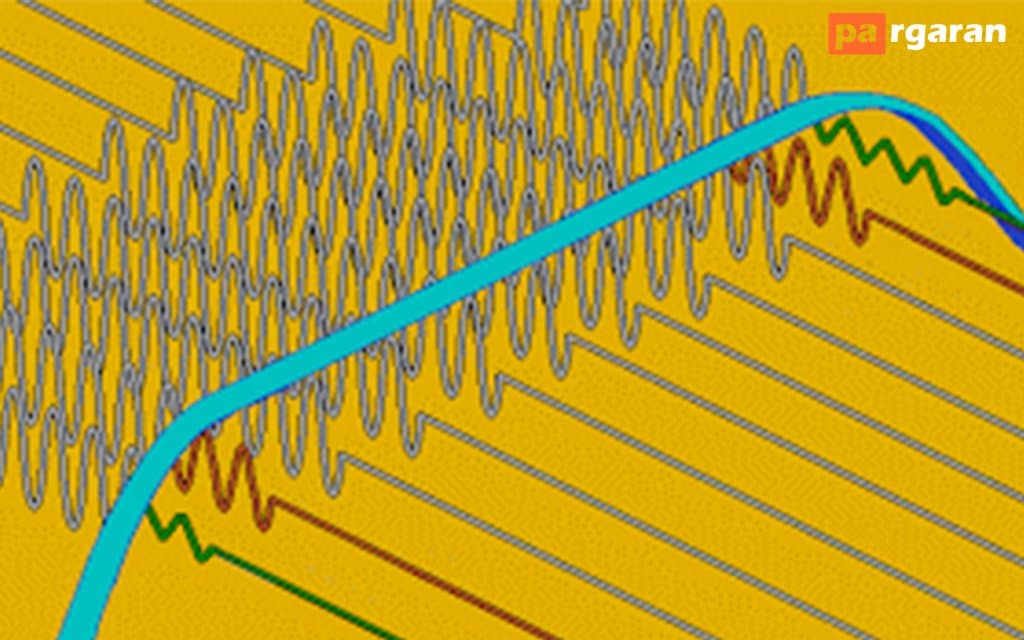
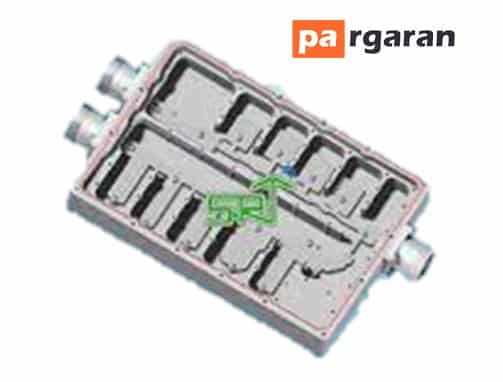
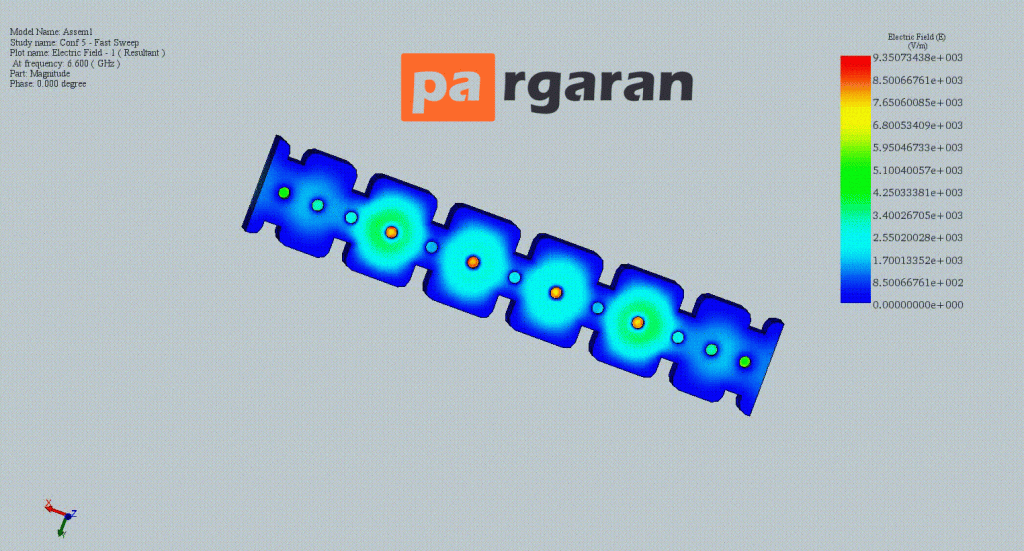
These are electrical devices that block or pass specific frequencies. Key specifications include intended applications, type of filter, and frequency characteristics. RF and microwave filters are mainly used for processing electronic signals by removing unwanted frequency components or amplifying other components. They typically work in the radio frequency range (megahertz and gigahertz) and at microwave frequencies. Various types of filters are available, including low pass, high pass, band pass, and reject pass, each having specific wavelengths or ranges of wavelengths that are blocked or sent.
Filter | Band Pass Filter
Low Pass Filter
Filter | RF Filters
Water Filter
These are systems that remove contaminants from water and may exist as complete systems or standalone replacement elements. Their key specifications include...