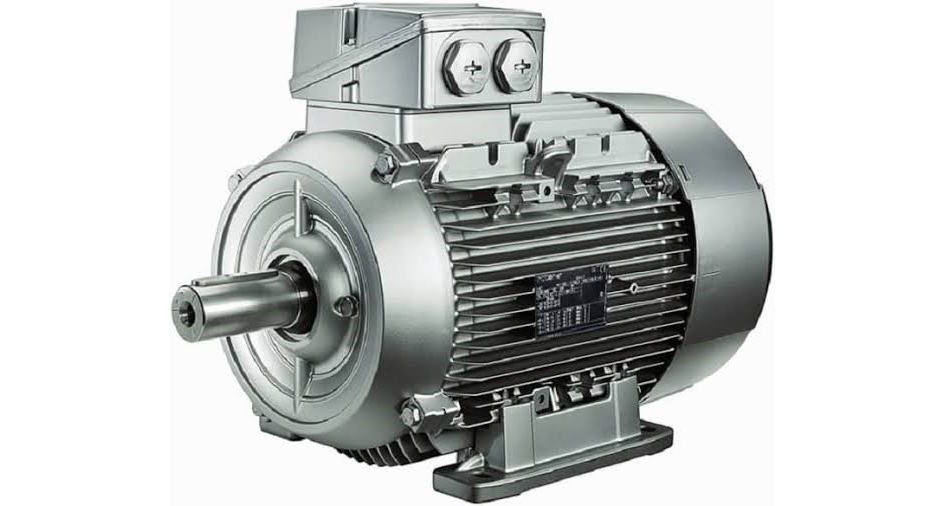
An electric motor is a device that converts electrical energy into mechanical motion.
When a current-carrying conductor is placed within a magnetic field, a force is exerted on the conductor by the magnetic field. Most electric motors are rotary; however, linear motors also exist.
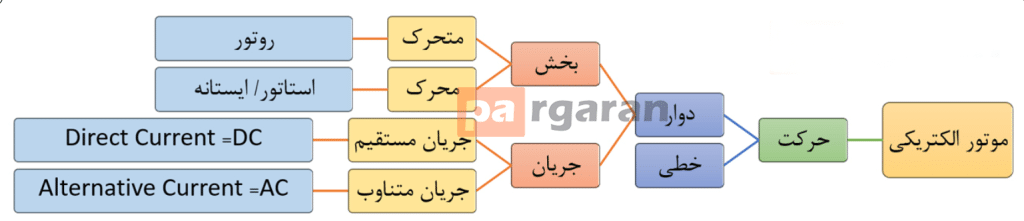
Every rotary motor consists of a moving part and a stationary part. The moving part is called the rotor, and the stationary part, which usually resides inside the motor, is referred to as the stator.
In an electric motor, the rotor rotates about its axis due to the torque generated by the force produced by the magnetic field in the stator. Depending on its structure, each electric motor is powered by direct current (DC) or alternating current (AC).
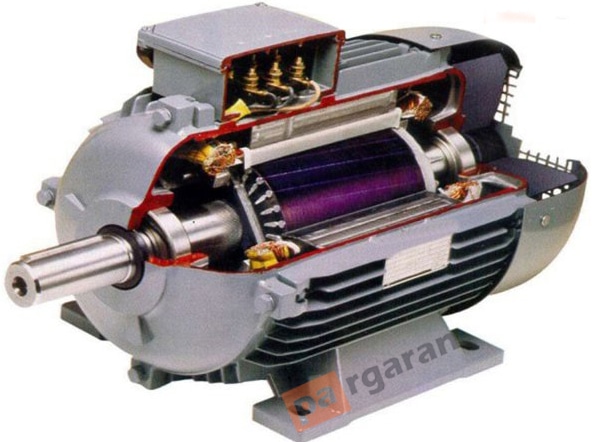
The Stator: The Fixed Part of the Electric Motor
The stator is made from several thin pieces of aluminum or lightweight iron. These pieces are connected together in the form of a hollow cylinder.
Coils of insulated wire are embedded in these slots. Each group of coils, surrounded by a core, forms a magnetic pole (with dual bridges) to operate on AC electricity.
The number of poles in an AC motor depends on the internal connection of the stator coils. The stator coils are directly connected to a power source.
They are interconnected such that when AC power is applied, a rotating magnetic field is generated.
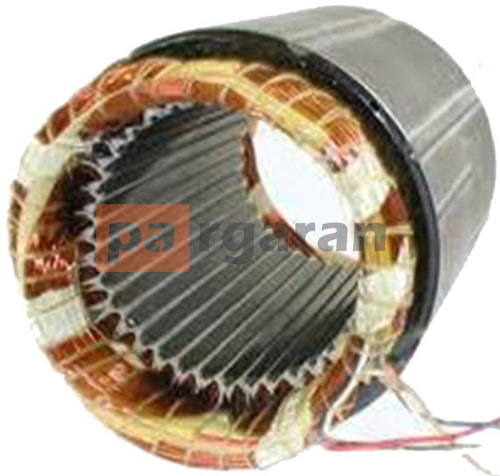
The Rotor: The Moving Part of the Electric Motor
The rotor consists of several separate thin steel pieces, with copper or aluminum bars placed between them.
The squirrel-cage rotor is the most common type of rotor. Its simple and sturdy structure means that almost 90% of electric motors use this type.
These bars are electrically and mechanically connected by rings at their ends.
This rotor consists of a multi-part cylindrical core with a shaft, which has parallel slots for placing conductors inside it. Each slot contains a copper, aluminum or alloyed bar.
In these rods, as shown in the figure, a short circuit is permanently established by their end rings. The rotor bars are not exactly parallel to the shaft. Instead, they are installed slightly inclined for two important reasons.
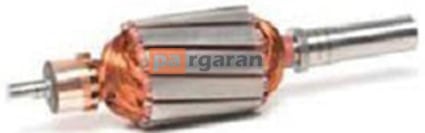
DC Electric Motor | Direct Current Electric Motor
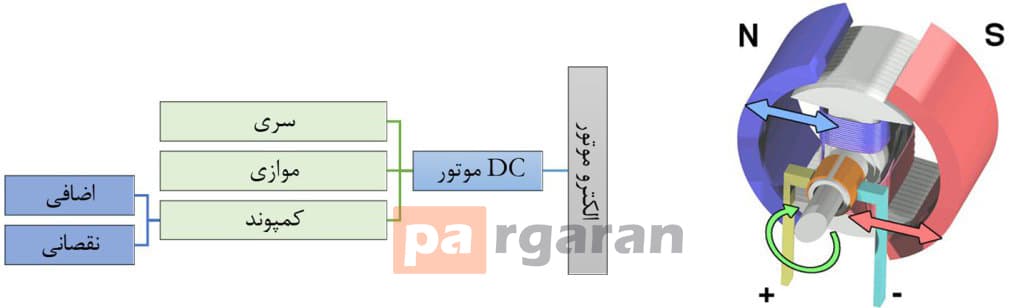
This model of motors has an armature made of an electric magnet. The commutator is a rotary switch that reverses the direction of electric current twice in each cycle.
This is to create electric magnets in the armature to attract and repel an external permanent magnet. The rotation speed of a DC motor depends on the braking torque, in other words, on the input voltage and the input current torque.
-
DC Series Electric Motor | Series
In this type of DC series motors, the starting torque is high. Therefore, they are utilized in industries requiring high starting torque (such as cranes, hydraulic lifts, impact presses, and elevators).
This type of dynamo is also used in urban locomotives (subway and tram) which is known as a friction or traction motor.
-
Shunt DC Electric Motor | Shunt
Shunt or parallel DC motors have maximum torque at rated speed. Therefore, they are used in applications such as industrial fans and blowers.
These types of electric motors should not be started under heavy load, as the armature current increases excessively and can damage the motor.
-
Compound DC Electric Motor | Compound
These types of compound motors have two categories, incorporating the characteristics of series and parallel motors.
-
Additional Compound DC Electric Motor
This type of motor is used when the characteristics of a series motor are needed; it is designed to be able to harness the motor and prevent the speed from increasing when the load is removed.
For example, turning machines whose load is discharged and reloaded in each working cycle often use this type of motor.
-
Deficient Compound DC Electric Motor
These motors are utilized when loads are less than rated loads and a nearly constant speed is required. Their applications are mostly in laboratories for creating stable speeds.
AC Electric Motors | Alternating Current Electric Motors
The most common and diverse type of dynamo used in industrial and household applications is AC induction electric motors. Their advantages include robust and simple designs, economical pricing, low maintenance costs, and easy and complete connection to power sources.
...