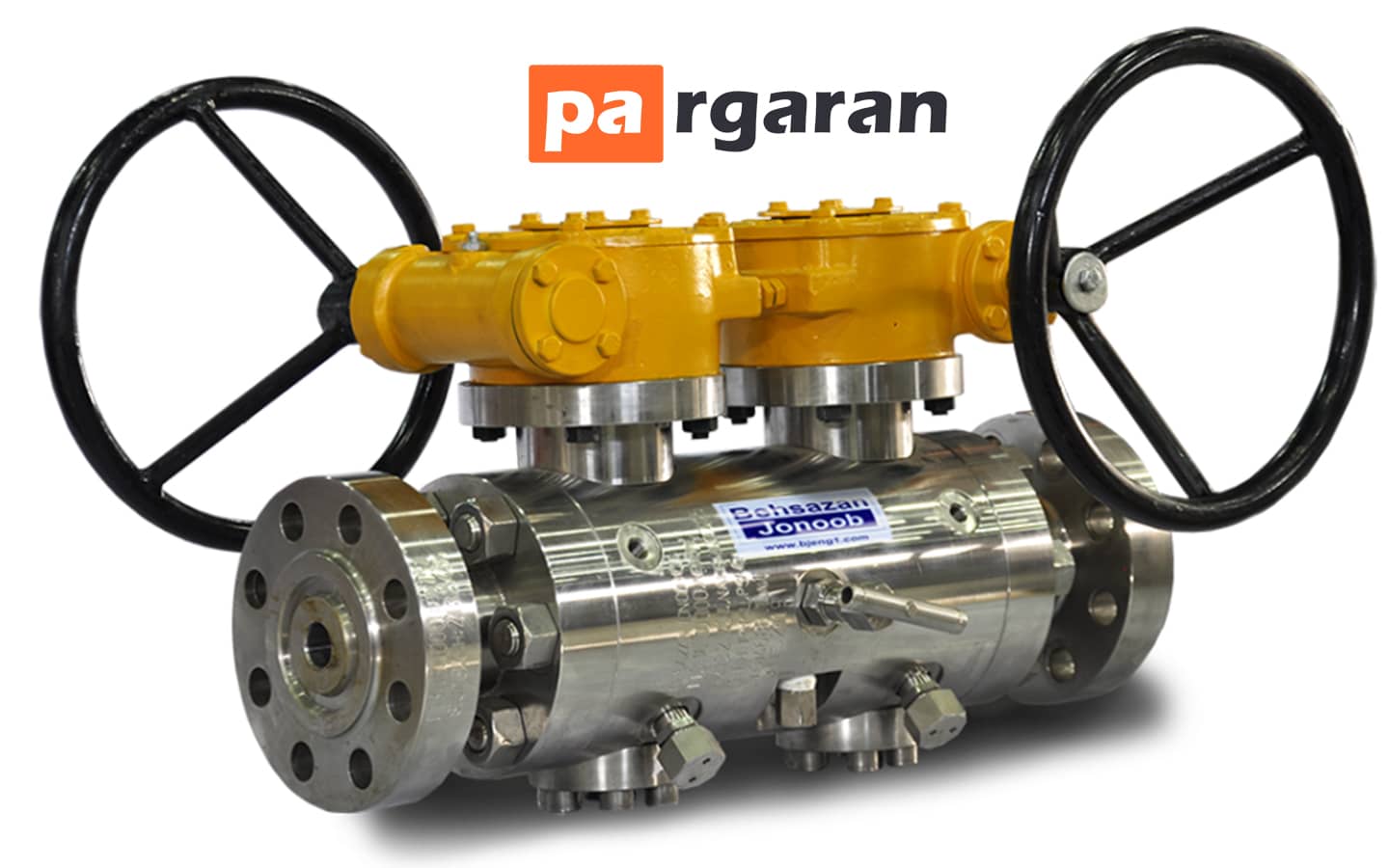
A Double Block and Bleed Valve is a unified valve with two flow-blocking elements and a fluid bleed element in the cavity between them. Typically, the two blocking valves are of the ball valve type and the bleed valve is of the needle valve type. These three valves consist of two block valves and one bleed valve. Depending on the process in which DBB is to be used, such as temperature and pressure, the assembly and materials will vary.
If the valve is to be used in a non-critical process, a Single Block and Bleed (SBB) valve may be used. Most double block and bleed valves are utilized during maintenance or to isolate a section of piping.
To achieve positive isolation, both block valves must be completely closed. When both block valves are closed, the flow of media will be halted. The side that is closed can safely be bled off, and any media trapped between the block valves can be drained off using the bleed valve.
Which Applications Require Double Block and Bleed Valves?
Double block and bleed valves are primarily used in the oil and gas industry but can also be beneficial in many other industries. They are usually utilized where bleeding the valve cavity is required, where piping needs to be isolated for maintenance, or for any of these other scenarios.
Prevent product contamination, take equipment out of service for cleaning or repair, calibrate liquid service meters near waterways or municipalities, transfer and store chemicals, and isolate instrumentation such as pressure indicators and lever gauges; steam process media.
What Considerations Should Be Made When Selecting a Double Block and Bleed Valve?
Like any other valve, when selecting a double block and bleed valve, fluid properties, pressure, and temperature must be considered. However, perhaps the most important aspect is how the valve will be used.
With a number of configurations available, consider which of these settings most aligns with your process and requirements. If you are unsure which double block and bleed valve is suitable for your process, consult an engineer. They can help determine which option best meets your objectives.
For any questions or comments, please contact Pargaran.
For more information, click here.