


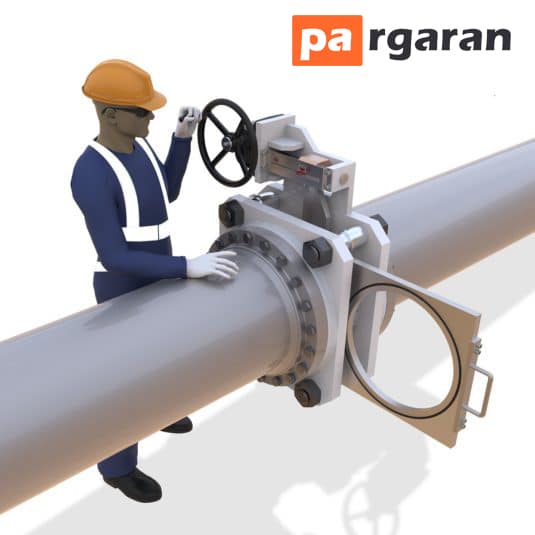
Line Blind Valve | Blind Valve | Blind Flanges are used for completely stopping the flow in piping systems with linear movement elements. A line blind valve is used when the system requires repair, maintenance, construction, or any other activities in safe conditions. These valves are usually employed alongside block and drain valves. This valve consists of both hollow and solid elements.
When the solid element is positioned in the flow path, the hollow element protrudes from the valve to indicate that the valve is in the blocked position. The design of the line blind valve is simple, but it can be made more robust with additional safety measures and increased size.
Types of Line Blind Valves:
Line blind valves come in various types categorized based on the material they are made from and the connection type to piping lines; however, the most common naming of these valves is as follows.
1- Cam Slide Blind Valve
Cam slide blind valves are used in operations where precision is prioritized. These valves use rectangular spectacle flanges that protect the open and closed positions from operator error.
They utilize a similar cam mechanism as cam blind valves. They can also be compacted to smaller sizes, allowing for smaller pipe diameters and consequently more applications. It only takes 1-2 people a few minutes to replace these valves, making it both time and labor-efficient.
2- Cam Blind Valve
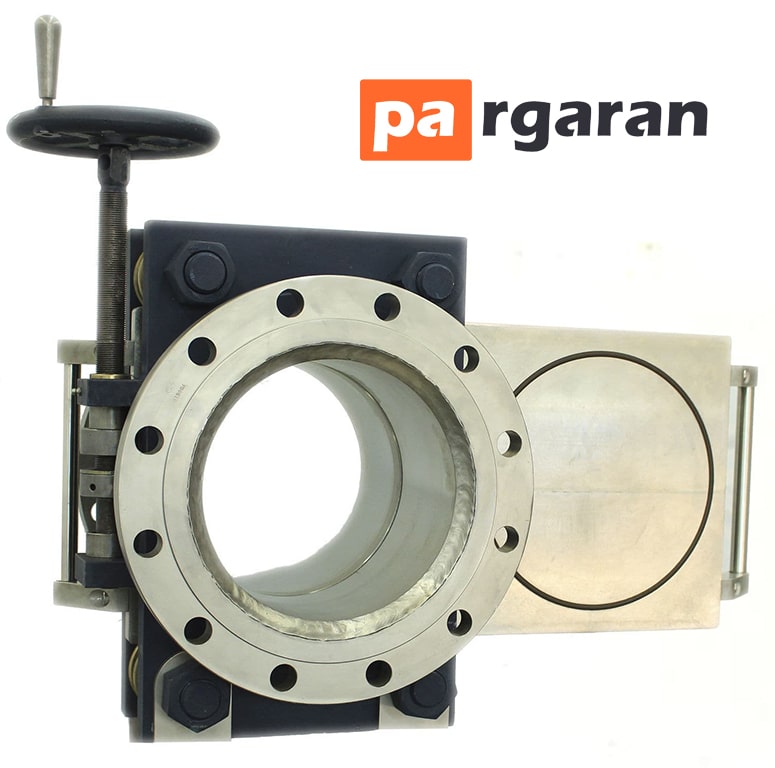
Cam blind valves do not differ from other types except that they use a cam mechanism for switching between open and closed states. By turning the handle, the flange is released, allowing operators to rotate it to their desired position, and the handle can be returned to lock the flange in place.
This provides an easier means to change the blind valve, saving valuable operator time when implementing positive isolation in a system. They are widely used in downstream operations such as petrochemicals, pulp and paper, refineries, and other operations.
3- Spectacle Blind Valve
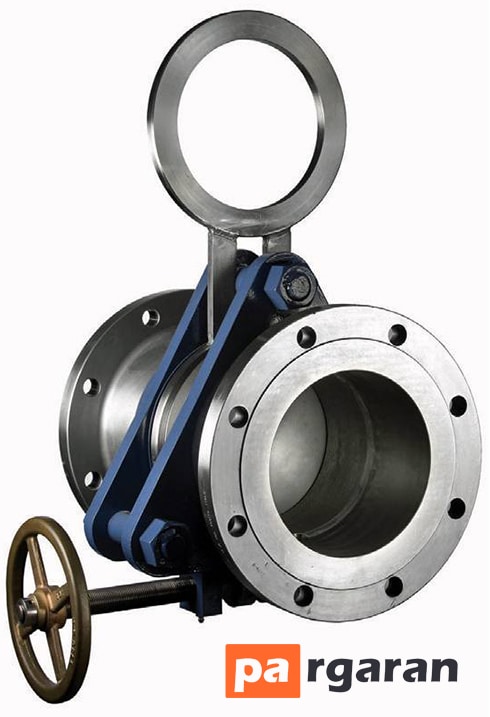
Spectacle valves are shaped like an eight or spectacles, which is why they are referred to as "spectacle". They are less a type of valve and more a way to switch between open and closed positions, yet they still distinguish one blind valve from another. They use this flange between two pipe flanges and a washer to become a permanent cap for the fluid flow within the pipe.
They are excellent for regular switching because they transition cleanly between open and closed positions. They can be manufactured from a solid piece of metal or, if too heavy to be made as one piece, can be split into two separable pieces. Their installation and operation are straightforward, providing excellent visual indication of the pipe’s status.
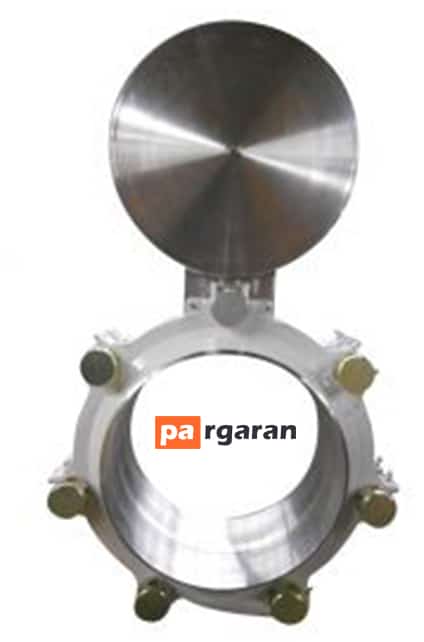
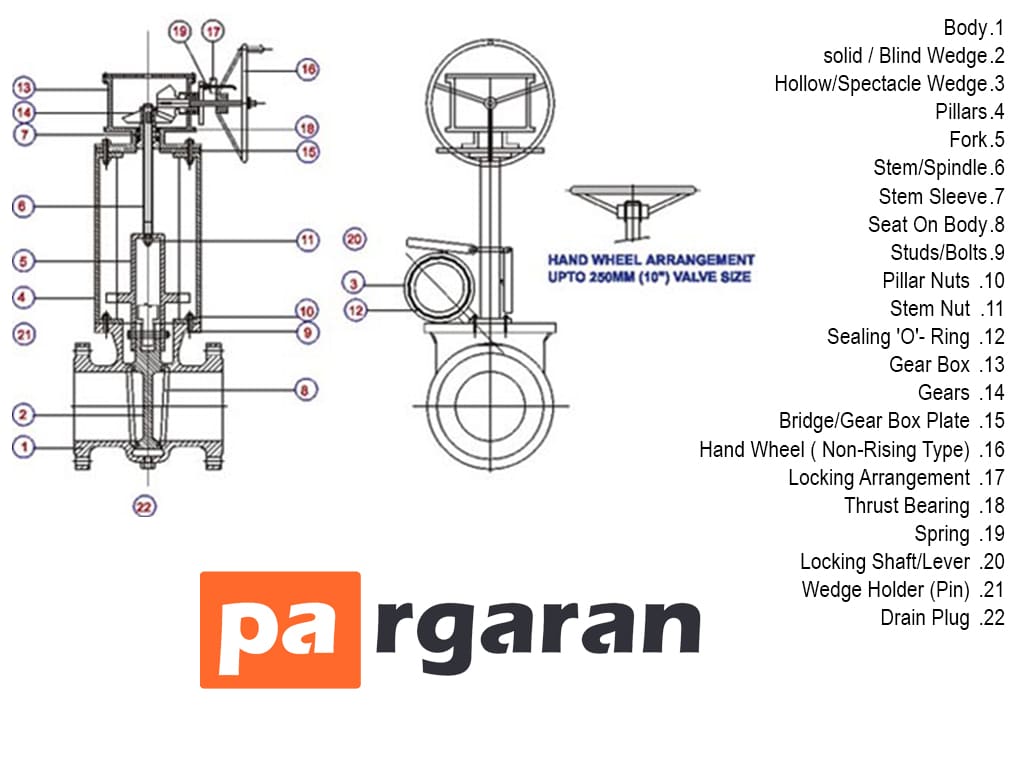
Line blind valves have different components based on the type. In the following diagram, a general schematic of the components of this valve can be seen.
How Do blind Valves Work?
All blind valves operate by closing the pipe they are connected to using some sort of actuator and an interchangeable blind piece. These blank parts can take the form of rectangular, spectacle, or other arrangements. The valve is permanently installed in a pipeline and can quickly switch between open and blocked positions.
A blind valve typically features a locking mechanism that loosens or tightens the flap, along with a safety feature that prevents activation in any position. They are simply designed but can be complicated with additional safety measures and size increases. In the next section, we will examine specific types of blind valves and how they operate to provide safety measures in a plumbing system.
Application of Linear Blind Valve:
Blind valves are primarily implemented as safety measures, especially in high flow and emergency applications. They provide leak-proof seals and are widely used in the industry to keep workers and profits safe. Check the following list to see where they are most used. Some notable applications of blind valves include:
- Petrochemical and oil applications, water systems (piping, sewage, etc.), food and chemical plant applications
- Safety systems for large-scale applications, corrosive chemical applications, power generation applications
Advantages and Strengths of Line Blind Valves include:
Easy to use and install
Applicable in high flow piping
Excellent safety
If you have any questions or comments, please contact Pargaran.
For more information, click here.


