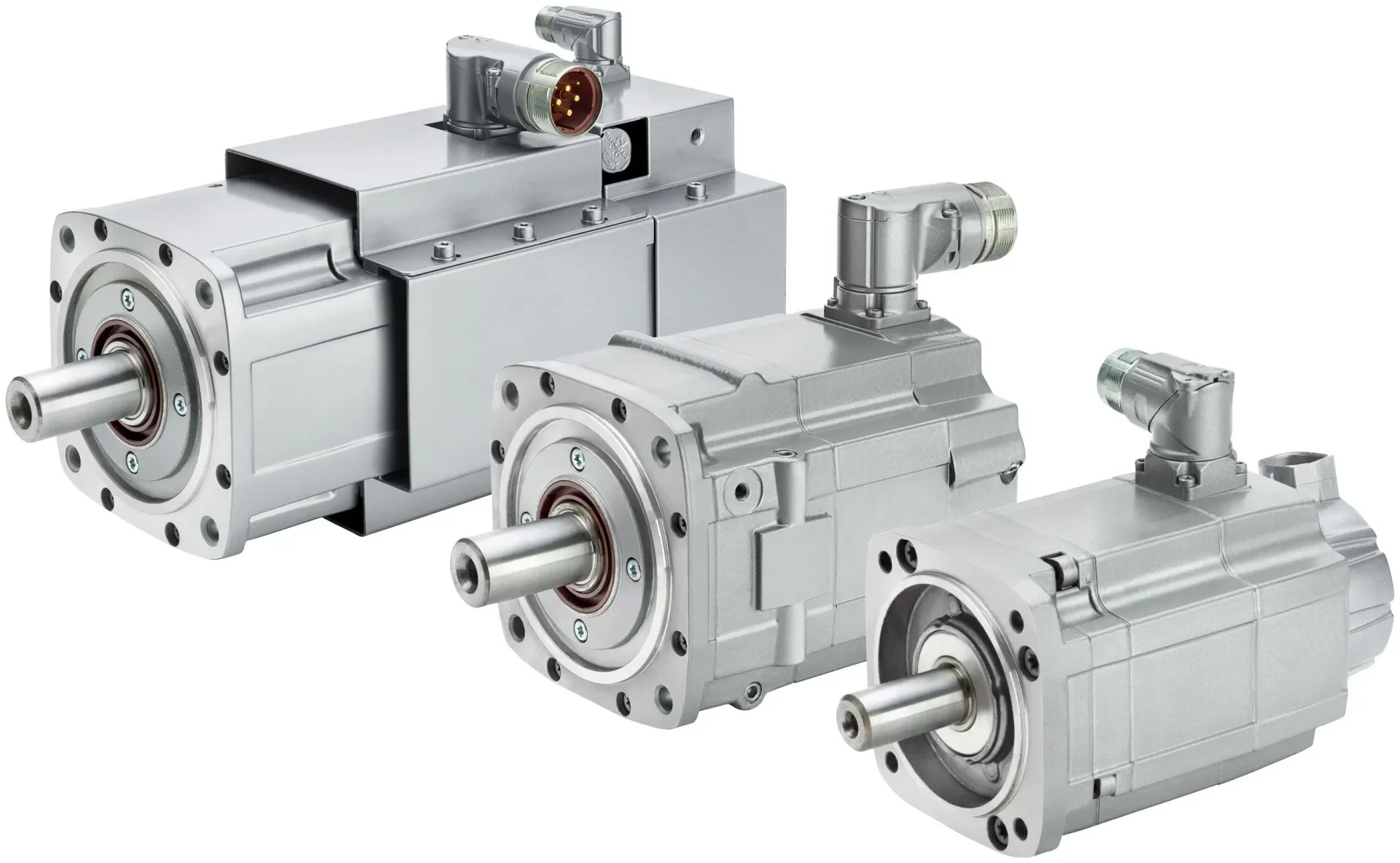
A temperature transmitter is an electronic device used to convert the signal generated by a temperature sensor such as a thermocouple, RTD, or thermistor into a standard instrumentation signal. This signal indicates the temperature of the process being measured and controlled.
The most common output signal in temperature transmitters is 4 to 20 mA or the range of 0-10 V DC. For example, 4 mA can represent 0 degrees Celsius, while 20 mA indicates 100 degrees Celsius. The temperature signal measured by the temperature transmitter is sent to the controller. The necessary action for the process, such as heating or cooling, is performed by the appropriate device as instructed by the controller.
Therefore, transmitters can receive the electronic signal from the temperature sensor and convert it into a reliable signal. This signal is easily transmitted and made available to the control or processing unit.
Typically, the output signal from transmitters is sent to a control device such as a PLC, DCS, PC, loop controller, data logger, display, or recorder.
Temperature transmitters are produced in various shapes and sizes, which will be discussed in the following paragraphs. The choice of a temperature transmitter depends on the application and the environment in which it is used.
Temperature transmitters act as an interface between the control system and the temperature sensor, isolating, amplifying, linearizing, and converting the sensor's input signal before sending a standardized output signal to the control system, enabling precise temperature monitoring with a low-interference measuring device.
Working Principle of a Temperature Transmitter
The temperature transmitter draws its power from a DC power supply according to the input from the temperature sensor and ultimately sends the actual signal as a variation in power supply current.
For instance, a thermocouple input transmitter receives a 4 mA current from the power supply during the measurement of the lowest temperature.
As temperature increases, the transmitter proportionally draws more current until it reaches 20 mA, which is the maximum temperature detected by the sensor.
In other words, 4 and 20 mA correspond to the minimum and maximum temperatures of the sensor, respectively.
For example, if the temperature range of the sensor is 0-100 ℃, a 4 mA signal indicates 0 ℃. Similarly, 20 mA means 100 degrees Celsius.
When using an RTD, a Wheatstone bridge is used to create a low voltage at its end. This signal is amplified to produce a 4-20 mA output.
Sometimes, this analog signal is converted to a digital signal (ADC) to provide additional functions (such as calibration and scaling) before being converted back to an analog signal.
The circuit can be designed to accommodate resistance values from 15 to 380 ohms or similar, to encompass the full range of RTD values.
When a temperature transmitter is installed in a system, temperature variations cause changes in the thermocouple voltage or the RTD's internal resistance, resulting in an output current that varies between 4 and 20 mA.
These changes lead to the creation of an internal circuit that converts temperature data to be sent to the control room.
Types of Transmitters
Transmitters are designed in various types and are marketed for use. One group consists of wireless transmitters, while another consists of wired transmitters. Wired types are classified into two categories: 2-wire and 4-wire.
2-Wire Temperature Transmitter
Temperature transmitters typically require a power supply and are constructed in a 2-wire format. Power and signal transmission in these models are handled by two wires.

4-Wire Temperature Transmitter
The 4-wire transmitter consists of two separate circuits. In this model, two wires are used for power connection and two other wires for connection to the controller. The power supply can be AC or DC, depending on the manufacturer and model of the device.
Types of Temperature Transmitters Based on Shape and Size
Temperature transmitters come in various forms and sizes. The choice of temperature transmitter is dependent on the application and the environment in which it is used.
They are categorized as follows based on their mounting method:
Panel mount or DIN rail mount temperature transmitters

These transmitters are typically used where electrical boxes or surfaces with standard rails or DIN rail are required. DIN rail hardware is a standard industrial mounting hardware for installing equipment.
Some features of these transmitters include:
They have mounting brackets at the bottom, allowing the transmitter to be installed on a DIN rail.
They feature a robust enclosure for installation in industrial environments.
Their size is modular, making them an excellent choice for space-saving.
DIN rail transmitters provide relatively accurate and precise performance.
The screw terminals enhance the speed of installation and wiring.
They are relatively low cost and can work with a variety of sensors.
Head mount or Hockey-style temperature transmitter

Hockey puck transmitters are among the most common types of transmitters and are used for basic applications. Their name derives from their shape factor.
This transmitter is compact and offers minimal hardware. These low-cost transmitters are also suitable for OEM applications and for mounting on temperature probes.
Additionally, there are two mounting holes on either side of the transmitter.
Field-mounted temperature transmitter

This specific type of temperature transmitter is installed within its external housing. This feature allows it to be used where conditions may require enhanced protection, such as in high-efficiency industrial operations.
By placing field-mounted transmitters relatively close to the sensor, the signal strength is increased.
This transmitter is designed to protect sensitive electronic components from various conditions such as humidity, environmental factors, corrosion, etc.
Inputs of a Temperature Transmitter
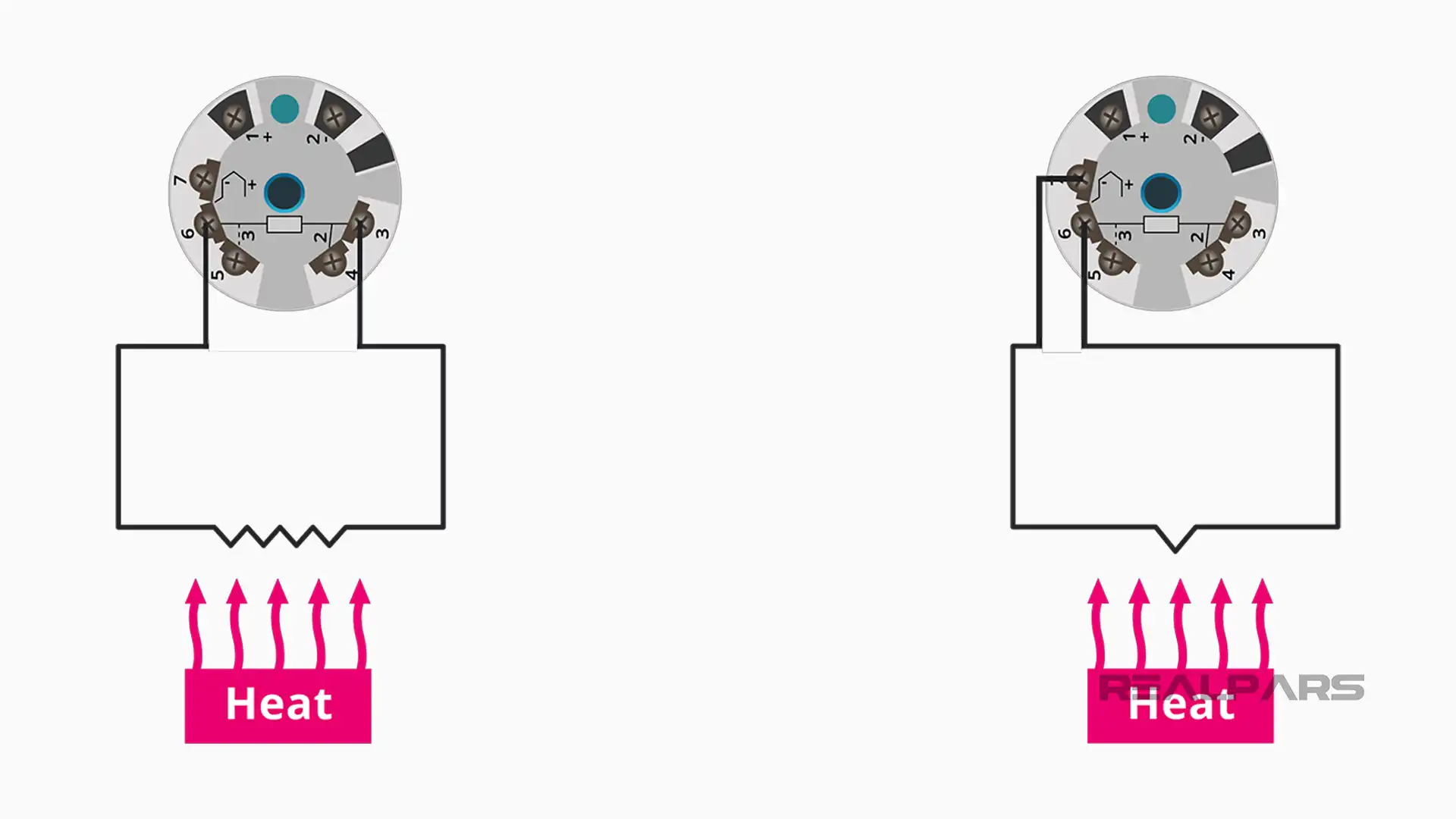
A temperature transmitter supports various input signals such as RTD, thermocouple, resistance, and voltage signals.
Thermocouples and RTDs are the most common types of inputs for temperature transmitters.
Thermocouple Input
In the industry today, thermocouple transmitters are typically designed for metal-based thermocouples, which include: K, T, J, and E types. Transmitters for other types of thermocouples can also be found but may be more expensive.
Thermocouples have two wires, and their transmitter must have two input terminals. The thermocouple wires must be connected to the inputs of the transmitter.
To use a thermocouple, it must be...